Maintenance
Car Engine Problems: 10 Common Faults and Their Fixes
The ten car engine problems garages see most often, what causes each one, how to tell them apart and which ones mean you should stop driving immediately.
10 minute read By Signature Alloy Wheel & Body Repairs
In short
The most common car engine problems are rough idling, overheating, oil leaks, loss of power, knocking noises, excess exhaust smoke, starting trouble, unusual smells, worsening fuel economy and the engine management light. Most trace back to ignition, fuelling, cooling or lubrication, and most give warning long before they cause serious damage.
Modern engines are reliable enough that most drivers only think about them when something is clearly wrong. By that point the fault has usually been developing for a while, quietly costing fuel or wearing something out.
These are the ten problems that come up most often, in the order of how frequently they turn up, with what causes each one and what putting it right actually involves.
Quick reference: symptoms and likely causes
Use this to narrow things down before reading the detail below.
| What you notice | Most likely causes | Urgency |
|---|---|---|
| Engine shakes at a standstill | Spark plugs, coils, vacuum leak, dirty injectors | Soon |
| Temperature gauge climbing | Low coolant, thermostat, water pump, blocked radiator | Stop now |
| Oil patch on the drive | Sump plug, sump gasket, rocker cover, filter seal | Soon |
| Flat acceleration | Air filter, MAF sensor, fuel filter, blocked cat or DPF | Soon |
| Knocking or ticking | Low oil, worn bearings, tappets, wrong fuel grade | Stop now if deep and rhythmic |
| Smoke from the exhaust | Depends on colour: oil, coolant or fuel | Varies |
| Will not start | Battery, starter motor, immobiliser, fuel pump | Recovery |
| Strange smell | Coolant, oil on hot parts, burning clutch, electrical | Investigate today |
| Fuel economy dropping | Air filter, plugs, lambda sensor, tyre pressures, brakes binding | Routine |
| Engine light on | Anything from a loose fuel cap to a failing cat | Read the codes |
Why does my engine idle roughly?
Rough idling means one or more cylinders is not burning its charge cleanly at low load. The engine shakes at a standstill, the rev counter wanders, and the shaking often eases once you are moving.
Common causes. Worn or fouled spark plugs, failing ignition coils or leads, a clogged or leaking fuel injector, a vacuum leak from a perished hose or a failed inlet manifold gasket, a dirty throttle body, a faulty idle air control valve or a lazy lambda sensor giving the ECU bad information.
What to do. Start with the cheapest and most likely. Spark plugs have a service interval and are frequently overdue. A can of throttle body cleaner and twenty minutes will often fix a rough idle on a car with high mileage in town. If a specific cylinder misfire code has been logged, swapping the coil from that cylinder with a neighbouring one and rescanning tells you in five minutes whether the coil is at fault. Vacuum leaks can be traced with a smoke test at a garage.
Why is my engine overheating?
Overheating means the cooling system is no longer removing heat as fast as the engine produces it. Stop as soon as it is safe, because continuing to drive is what turns a hose into a head gasket.
Common causes. Low coolant level from a leak, a thermostat stuck shut, a failed water pump, a radiator blocked internally with corrosion or externally with leaves and debris, a cooling fan that has stopped working, or a head gasket that has already failed and is pressurising the system with combustion gas.
What to do. Turn the heater to full hot, pull over, switch off and let the engine cool for at least half an hour before opening anything. Once cold, check the coolant level and look for a split hose or a wet engine bay. Never pour cold water into a hot engine. If the level was fine, or if it drops again quickly, call for recovery rather than pressing on.
Why is my engine leaking oil?
Oil leaks come from a seal or a gasket that has hardened, shrunk or been disturbed. Every engine has plenty of candidates.
Common causes. A loose or badly sealed sump plug, a leaking sump gasket, a perished rocker cover gasket (which drips onto the exhaust manifold and causes a burning smell), a crankshaft or camshaft oil seal, a loose oil filter or a filter fitted with the old seal still stuck to the housing.
What to do. Clean the area, drive it, then look again to find the highest wet point, because oil runs downwards and the puddle rarely sits under the source. A rocker cover gasket is a straightforward job. A rear crankshaft seal is not, because it usually means separating the engine from the gearbox. Beyond the repair cost, oil on the driveway strips underseal and traps road grime against the underbody, which accelerates the corrosion that eventually costs far more than the gasket did.
Why has my car lost power?
Loss of power means the engine cannot get enough air, enough fuel, or cannot expel exhaust gas freely. Those three routes cover almost every case.
Common causes. A clogged air filter, a contaminated mass airflow sensor, a blocked fuel filter, a weakening fuel pump, a sticking EGR valve, a turbocharger fault such as a stuck vane mechanism or a split boost hose, or a blocked catalytic converter or diesel particulate filter.
What to do. Check the air filter first, since it costs very little and takes minutes. A MAF sensor can often be cleaned with the correct spray rather than replaced. If the car feels fine at low revs then hits a ceiling, suspect a restriction in the exhaust and have back pressure checked. Many modern cars also enter a deliberate limp mode when a fault is detected, holding revs low to protect the engine, in which case the fault codes will tell you what triggered it.
Why is my engine knocking or ticking?
Engine noises fall into two groups: light ticking from the top of the engine, and deep knocking from the bottom. The second group is much more serious.
Common causes. A light tick that follows engine speed is usually valve train noise, hydraulic tappets that have not pumped up, or an exhaust manifold leak. A deep, rhythmic knock that gets louder under load points to worn big end or main bearings, which is a major repair. A metallic rattle under acceleration in a petrol engine can be pre ignition, sometimes caused by using a lower octane fuel than the engine requires or by carbon build up in the combustion chamber.
What to do. Check the oil level immediately, because low oil pressure is the fastest way to destroy bearings. A tick that clears once the oil warms is usually tappet related and often improves with an oil change of the correct grade. A deep knock means stop driving and get it recovered. Continuing to drive on a knocking bottom end frequently ends with a scrap engine.
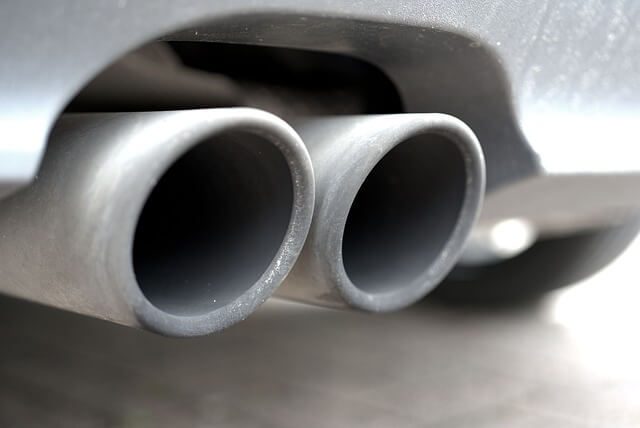
What does the colour of exhaust smoke tell you?
Colour identifies which fluid is being burnt, which narrows the fault down straight away.
| Colour | What is burning | Likely cause |
|---|---|---|
| Thin white vapour that clears | Water condensation | Normal on a cold morning |
| Thick white, sweet smell | Coolant | Head gasket, cracked head |
| Blue or blue grey | Engine oil | Worn piston rings, valve stem seals, turbo seals |
| Black | Excess fuel | Blocked air filter, faulty injectors, sensor fault |
A brief puff of blue on start up that clears within seconds usually means valve stem seals letting oil seep down overnight. Blue smoke throughout is more likely piston rings or a turbo.
Why will my car not start?
Work out first whether the engine turns over. That single observation splits the possibilities in half.
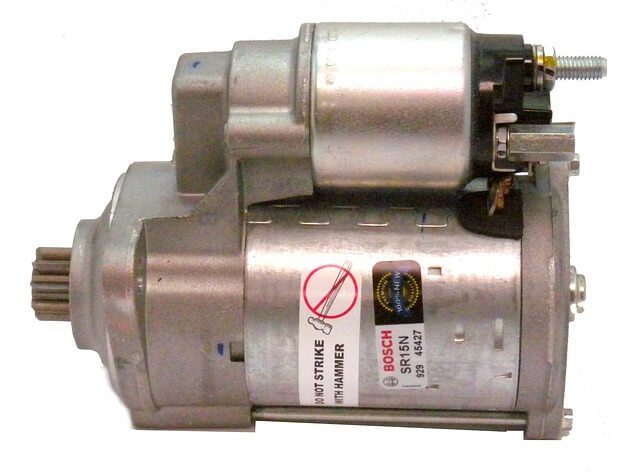
If nothing happens or you hear a click. Flat or failing battery, corroded terminals, a faulty starter motor or solenoid, or a bad earth strap. Batteries typically last four to six years in UK conditions, and they usually give a week or two of slow cranking before they fail completely.
If it turns over but does not fire. No fuel or no spark. Consider an empty tank (more common than people admit), a failed fuel pump, a blocked filter, a crankshaft position sensor failure, or the immobiliser not recognising the key. A spare key that works when the usual one does not confirms the last of these immediately.
What to do. Test the battery first, since most parts shops and garages do it free. Clean and tighten the terminals before condemning anything. A jump start that works and then leaves you stranded again a day later points at either the battery or the alternator, and both can be tested in minutes.
What do strange engine smells mean?
Each smell points at a fairly specific system, which makes it one of the more useful diagnostic tools you have.
- Sweet and syrupy. Coolant leak. Look for a wet hose, a damp radiator or a heater matrix leak dampening the passenger footwell
- Burning oil. Oil dripping onto a hot exhaust manifold, usually from a rocker cover gasket
- Burning rubber. A slipping auxiliary belt, or a hose or wire touching something hot
- Petrol. A fuel leak or a misfire putting unburnt fuel into the exhaust. Treat a strong fuel smell as urgent
- Rotten eggs. A catalytic converter struggling, often because the engine is running rich
- Hot, sharp, electrical. Overheating wiring or a failing component. Stop and investigate
- Burning carpet or clutch. An overheating clutch, or a brake that is binding on
Why is my fuel economy getting worse?
Economy drops when the engine burns more fuel for the same work, or when something makes the car harder to move. Both are worth checking.
Engine side causes. A dirty air filter, worn spark plugs, a lazy lambda sensor, dirty injectors, a sticking thermostat leaving the engine running cold, or a partially blocked exhaust.
Non engine causes. Underinflated tyres, a brake caliper binding, a roof box or bars left on, and the cold itself, since winter economy is genuinely worse for the same driving. Short journeys are the biggest single factor, because an engine that never reaches operating temperature runs a richer mixture the whole way.
What to do. Check tyre pressures and the air filter before anything else, then get the service history looked at for overdue plugs. If a specific drop happened suddenly rather than gradually, get a diagnostic scan, since a failing sensor rather than gradual wear is more likely.
What does the engine management light mean?
It means the engine control unit has logged a fault code, and the only way to know which one is to read it. The light itself tells you nothing about severity.
A steady light. A fault has been recorded. The car may drive normally. Causes range from a loose fuel filler cap to a lambda sensor, an EGR valve, a misfire that has now cleared or an emissions system fault. Drive gently and get the codes read within a day or two.
A flashing light. A misfire is occurring right now and unburnt fuel is being pushed into the exhaust. That can destroy a catalytic converter in a short distance. Stop as soon as it is safe.
What to do. Have the codes read properly rather than clearing them. A code is a starting point, not a diagnosis: a code pointing at a lambda sensor often means the sensor is correctly reporting a problem caused by something else. Clearing the code without fixing the fault only lasts until the next self test, and an illuminated light is an MOT failure.
When should you stop driving immediately?
Some faults tolerate a careful drive to the garage. These do not.
- Red oil pressure light. Continuing can destroy the engine within a minute or two
- Temperature gauge in the red or a red coolant warning
- A deep, rhythmic knock from the bottom of the engine
- A flashing engine management light
- Steam or smoke from under the bonnet
- A strong smell of petrol
- Brake warning light on with the handbrake released
Everything else on this list is a matter of booking it in promptly rather than pulling over. The general rule is that noises, smells and warning lights get cheaper to fix the sooner you act, and engine faults in particular have a habit of taking other components with them when ignored.
Mechanical work is not our trade, but the consequences often are. Oil and coolant leaks damage paint and underseal, a car that has been off the road accumulates corrosion, and cosmetic damage tends to be the thing that gets valued down hardest at trade in. We handle body repairs, dents, scuffs and wheel refurbishment from our Radcliffe body shop and on a mobile basis across Greater Manchester and the surrounding counties. Details are on our vehicle body repairs page.
Need this doing properly?
Signature repairs alloy wheels and bodywork across Greater Manchester and the North West, mobile at your home or workplace. Free quotes answered within 24 hours.