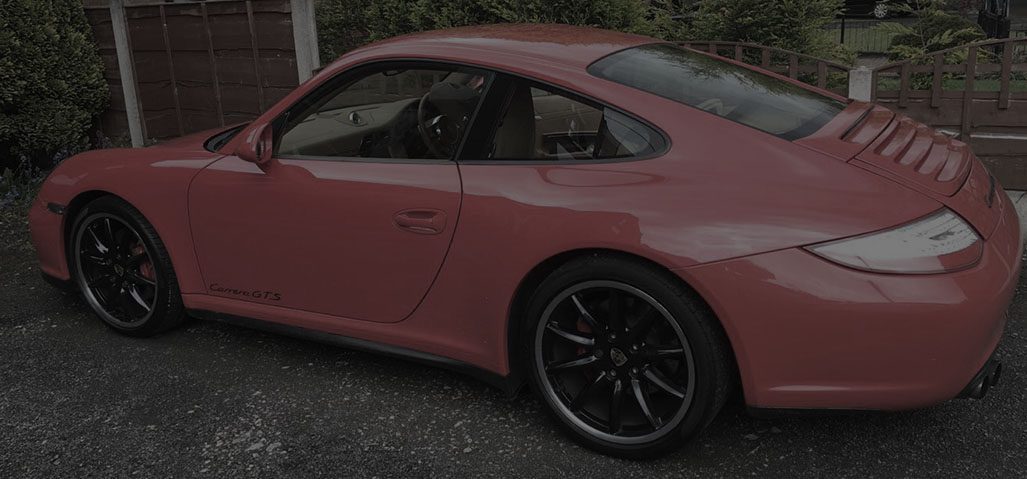
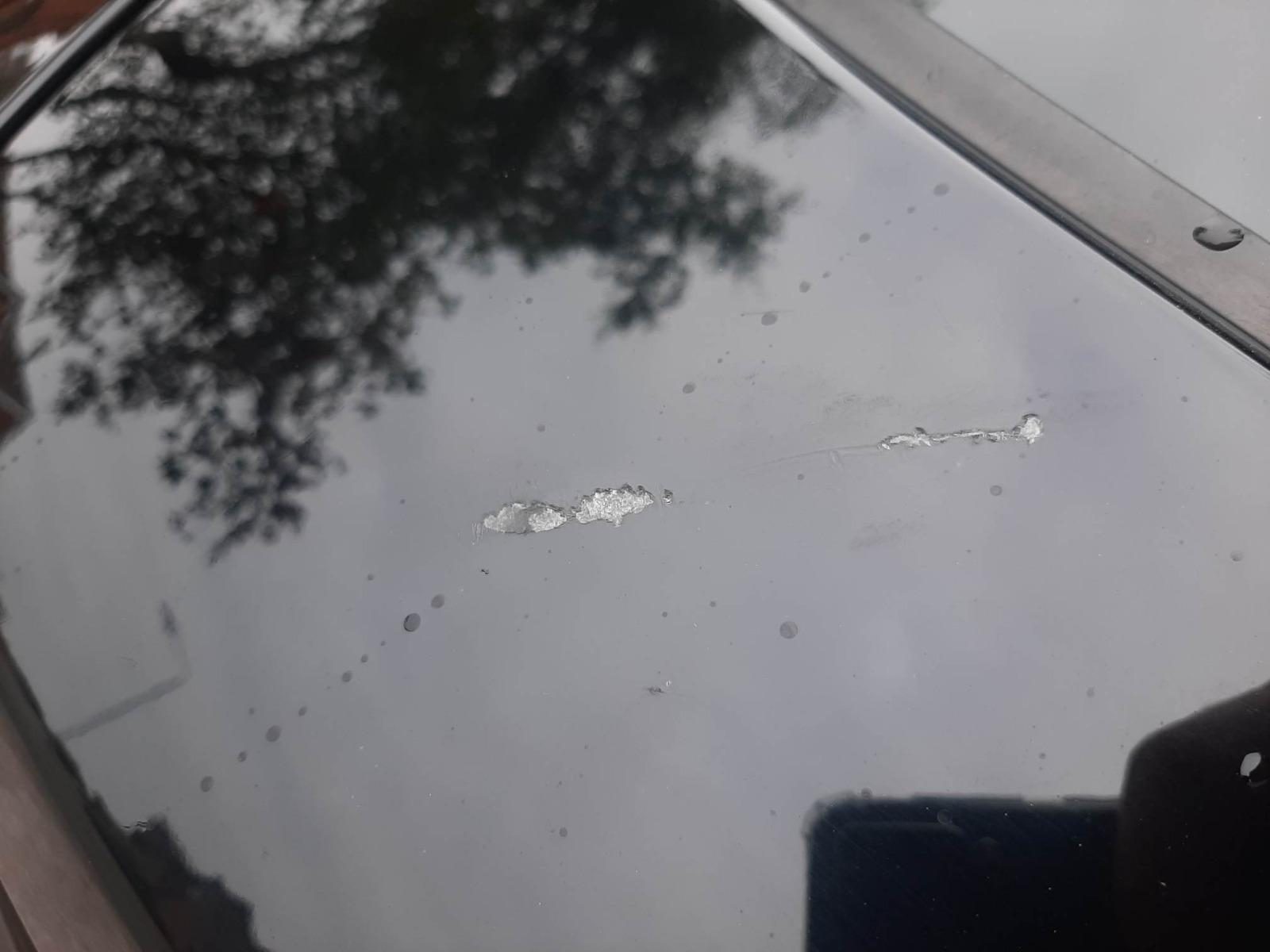
Scuff & Scratch Repairs
Key scratches, bumper scuffs and scraped paintwork repaired at your home or in our Radcliffe body shop.
Learn morePaint correction
Swirl marks, wash scratches, oxidisation and bird lime etching polished out at your home or workplace by technicians who do it every day. Free quotes answered within 24 hours.
18+ Years experience
Mobile & body shop
Guaranteed work
North West coverage
What is machine polishing?
Machine polishing uses a rotary or dual action polisher, a cutting compound and a foam or wool pad to abrade a fine layer of clear coat, removing swirl marks, light scratches, oxidisation and water etching that hand polishing will not shift. Signature carries the work out at your home or workplace, or at our body shop in Radcliffe.
Paintwork starts picking up damage the day a car leaves the forecourt. Automatic car washes with rotating brushes, sponges holding grit from the last wash, a dusty bonnet wiped with a dry cloth, hedges and overhanging branches, bird droppings baked on in the sun and rain left to dry on the panel all leave their mark in the clear coat.
Machine polishing puts that right without touching the colour underneath. Signature has been correcting paint alongside body repairs since 2008, and this is the service that sits between a valet and a respray: body shop refinishing technique applied to a car that does not need painting, only the top surface levelling and refining.
It is also the quickest way to change how a car looks and what it is worth. Tired, swirled paint reads as a neglected car whether or not it has been serviced on time, and a corrected finish makes a visible difference when a vehicle goes back at the end of a lease or goes up for sale.
Machine polishing removes defects that sit in the top layer of clear coat: swirl marks, wash scratches, light scratches, oxidisation, bird lime etching and water spotting. It works by abrading a fine, controlled amount of lacquer with a compound and a pad until the surface is flat again, so light reflects evenly instead of scattering off thousands of tiny scratches.
Most of what people call scratches are swirl marks. They come from brush car washes, shop bought sponges that trap grit, dry wiping and drying with the wrong towel. Under direct sun or a torch they show as a spider web pattern across the bonnet, roof and boot lid, and they are the single biggest reason a car looks flat and tired.
What polishing cannot do is put paint back. If the damage has gone through the clear coat, no amount of compound will recover it, and the job becomes a scuff and scratch repair or a panel respray instead.
For anything beyond a light haze, yes. A machine works the compound into the paint using the movement of the head, which generates the friction needed to level a defect properly. The same job by hand is slow, uneven and, on paint that has been neglected for years, will not shift the marks at all no matter how much effort goes into it.
The trade off is that a machine is unforgiving. Compound choice, pad choice, speed, pressure and the angle the head is held at all change the result. Too aggressive and you leave holograms or burn through a panel edge. Too soft and you spend an afternoon achieving nothing. That judgement comes from doing the work daily, which is why we would not recommend learning on your own car.
We carry a range of cutting compounds and buffing heads and match them to the paint in front of us. Paint hardness varies a lot between manufacturers, so a combination that cuts nicely on one car will do very little on the next and needs stepping up.
Run a fingernail across the mark. If it glides over, the damage is in the clear coat and machine polishing will usually remove it or reduce it to the point where you have to look for it. If your nail drops into the scratch, it has cut through the clear coat into the basecoat or primer beneath, and paint is the only proper fix.
Clear coat is thin, a few microns on most modern cars, and a panel can only be corrected so many times in its life. We check what there is to work with before starting rather than chasing a deep scratch until the panel is compromised. Sometimes the honest answer is that a mark will improve a great deal but not vanish, and going after the last of it is not worth the lacquer it would cost.
Where a defect does need paint, we do that as well. Stone chips, kerbed bumper corners and deeper scratches are SMART repair work, and it is common to repair a panel and then machine polish the surrounding paint so one side of the car does not stand out against the other.
Yes. The machine polishing service is fully mobile, so most jobs are carried out on a driveway, in a workplace car park or in a garage while you get on with your day.
What we need is room to walk around the car, access to power and somewhere out of direct sunlight and heavy rain. Strong sun dries compound on the panel before it has finished cutting, and water sitting on the paint makes it impossible to judge what has actually been corrected.
If the paint needs a full multi stage correction, bring it to the body shop at Unit C, The Yard, Rear of Constellation Mill, Radcliffe. Controlled lighting matters more than people expect: defects that are invisible on a grey Manchester afternoon show up plainly under proper inspection lights.
What we cover
The most common job by far. Fine circular scratches from brush car washes, sponges and poor drying technique are cut out of the clear coat so the paint reflects cleanly again instead of hazing in sunlight.
One pass with a compound and pad chosen to suit the paint. It lifts gloss, takes out most light marring and tidies up a car that has been washed badly rather than damaged. Quicker and cheaper than a full correction.
For neglected, heavily swirled or oxidised paint. The panel is compounded to remove the defects, refined to take out the marks the compound leaves behind, then finished to bring the gloss up. It is the longest job we do on paintwork that is not being resprayed.
Bird droppings and tree sap are acidic and eat into lacquer if they are left on a hot panel. Caught early the etching polishes out. Left for months it can reach the basecoat, and at that point the panel needs paint.
After a scuff, scratch or stone chip repair, the surrounding paint is machine polished so the repaired area sits in with the rest of the panel rather than looking newer than everything around it.
Swirled, scratched paint is the first thing an inspector or a private buyer notices. Polishing the car before it is handed back or advertised is a cheap way of protecting what it is worth.
How it works
Photograph the paint in daylight, out of direct sun, with the defects visible. Tell us the make, model and colour and how the car is normally washed.
We come back within 24 hours with a fixed price, whether it is single or multi stage, and whether it is a mobile visit or one for the Radcliffe body shop.
The car is washed and decontaminated first so nothing is dragged across the paint, trim and edges are masked, then the panels are compounded, refined and finished.
We walk you round the car so you can see the result from different angles, and go through how to wash it from here. The work carries our guarantee on parts and workmanship.
Answers
Cost depends on the size of the vehicle, the condition of the paint and how many stages the job needs. A single panel tidied up is a small job. A neglected black car needing compounding, refining and finishing across every panel takes far longer and costs accordingly. Quotes are free, fixed and given with no obligation, normally within 24 hours of you sending photos.
A single panel is usually under an hour. A one stage machine polish over a whole car normally takes most of a working day, and a multi stage correction on badly swirled paint can run into a second day. We would rather book the right amount of time than rush a machine over the paint and leave holograms behind.
Only the ones sitting in the clear coat. Run a fingernail across the scratch: if it glides over, machine polishing will usually take it out or make it far less visible. If your nail catches in it, the scratch has gone through the clear coat into the basecoat or primer and needs a paint repair rather than a polish.
It can, in the wrong hands. Clear coat is only a few microns thick, and a machine held too long in one spot, or run over a sharp panel edge, generates enough heat to burn straight through it. That is not polishable, it is a respray. Our technicians are trained on machine polishers, work to the paint rather than the clock, and the job carries our guarantee on parts and workmanship.
Not usually. Machine polishing is cosmetic maintenance rather than accident damage, so it is normally paid for privately rather than claimed. Where it earns its money is at the end of a lease or finance agreement, or before a private sale, because swirled and scratched paint is the first thing an inspector or a buyer notices. Ask us to look at the whole car and we will tell you what is worth doing.
Every colour benefits, but the difference is most obvious on black, dark blue and dark grey, where swirl marks show as a spider web pattern in direct sunlight. Metallic and pearl finishes are polished the same way, because the gloss sits in the clear coat above the flake rather than in the colour itself. Older single stage paint needs a lighter touch, as it oxidises and fades faster.
Wash it properly and the finish will last. Use two buckets with grit guards, a microfibre wash mitt rather than a sponge, and dry with a plush microfibre towel instead of a chamois. Keep it out of automatic brush car washes, which are what put most of the swirl marks there in the first place. A wax or sealant afterwards gives the clear coat something to take the abuse.
Both. The mobile service comes to your home or workplace across Greater Manchester, Lancashire, Cheshire, Merseyside and West Yorkshire, and we work anywhere with room to open the doors and a bit of shelter. For a full multi stage correction the body shop at Radcliffe is better, because controlled lighting shows up every defect and the temperature stays consistent. Rain and cold push mobile bookings back.
Also from Signature
Key scratches, bumper scuffs and scraped paintwork repaired at your home or in our Radcliffe body shop.
Learn more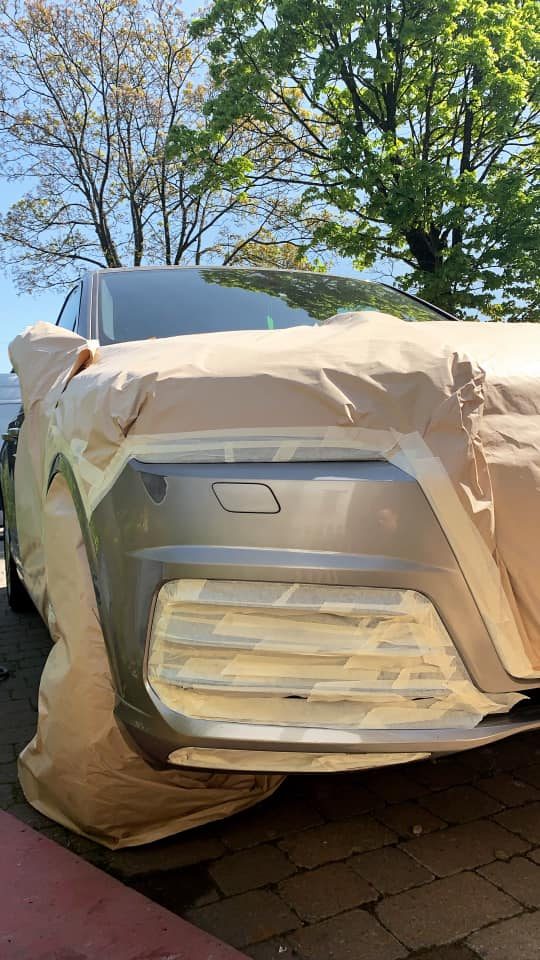
Motorway stone chips filled, colour matched and blended back into the panel, usually in a few hours.
Learn more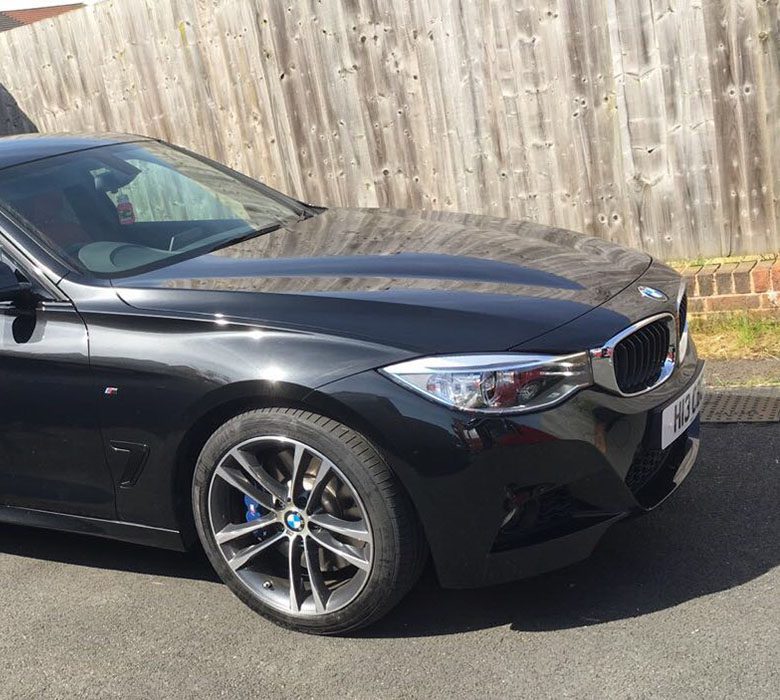
Cosmetic repairs before you hand back a lease car, so wear and tear charges do not land on your final invoice.
Learn moreFree quote
Send us a few details and one of our technicians will come back to you within 24 hours with a fixed price. Photos of the damage speed things up.
Mobile service or body shop, we have you covered