Car care
Best Car Shampoo UK: Top 7 Picks and How to Choose
Which car shampoo actually protects your paint? A body shop guide to pH, lubrication and dilution, seven shampoos worth buying and how to use them safely.
10 minute read By Signature Alloy Wheel & Body Repairs
In short
The best car shampoo for most drivers is a pH neutral, highly lubricated concentrate with no gloss enhancers, used at the dilution on the bottle in a two bucket wash. Meguiar's Gold Class and Autoglym Bodywork Shampoo Conditioner are the safest all round choices sold in the UK. Never use washing up liquid.
Almost every fine scratch we polish out of a car was put there during washing. Not by the road, not by the car park, but by grit dragged across the paint with a sponge or an underlubricated wash solution. That is why the shampoo you choose matters more than most people think. Its job is not really cleaning, which almost any detergent does. Its job is to carry dirt away from the lacquer without letting it touch the surface on the way.
Getting that right is cheap. A decent concentrate costs a few pounds a bottle and lasts a year. Correcting the swirl marks caused by the wrong one costs considerably more.
What makes a good car shampoo?
A good car shampoo is pH neutral, heavily lubricated, rinses cleanly and contains nothing that would strip the wax or sealant already on the car.
- pH balance. Aim for a neutral shampoo, roughly pH 6 to 8. Alkaline traffic film removers cut grime faster but they strip protection with it, and acidic products have no place on paint. Neutral means you can wash a waxed car weekly without undoing the protection.
- Lubrication. This is the property that actually protects your paint. A slick solution lets the mitt glide and lets released grit float off rather than being pushed along the panel. Cheap shampoos foam well and lubricate poorly, which is the worst combination because the car looks safe to wash while it is not.
- Foaming action. Foam encapsulates dirt particles and holds them in suspension until they are rinsed away. It is also a useful visual guide to where you have washed. Suds alone are not proof of quality, though.
- Concentration. A shampoo you dilute at 1:1000 costs far less per wash than one you glug in by the capful, even if the bottle is dearer.
- Wax or gloss content. Optional. Wash and wax shampoos leave a fortnight or so of light protection, useful on a car with no other coating. On a ceramic coated car, skip them.
- Rinsing behaviour. A good shampoo sheets off cleanly and leaves no residue in shuts, badges or trim grooves. Products that dry white in the crevices are a nuisance on black plastic.
- Eco credentials. Biodegradable formulas are widely available now and work as well as anything else. If you wash on a driveway that drains to a road gully, it is worth choosing one.
- Scent. Makes no difference to the result, but a pleasant one makes a job you should be doing fortnightly less of a chore.
Best car shampoo UK: our seven picks
These are seven shampoos that are easy to buy in the UK and safe on protected paint. All of them are pH neutral or close to it.
| Rank | Shampoo | Type | Concentration | Wax or gloss added | Price band |
|---|---|---|---|---|---|
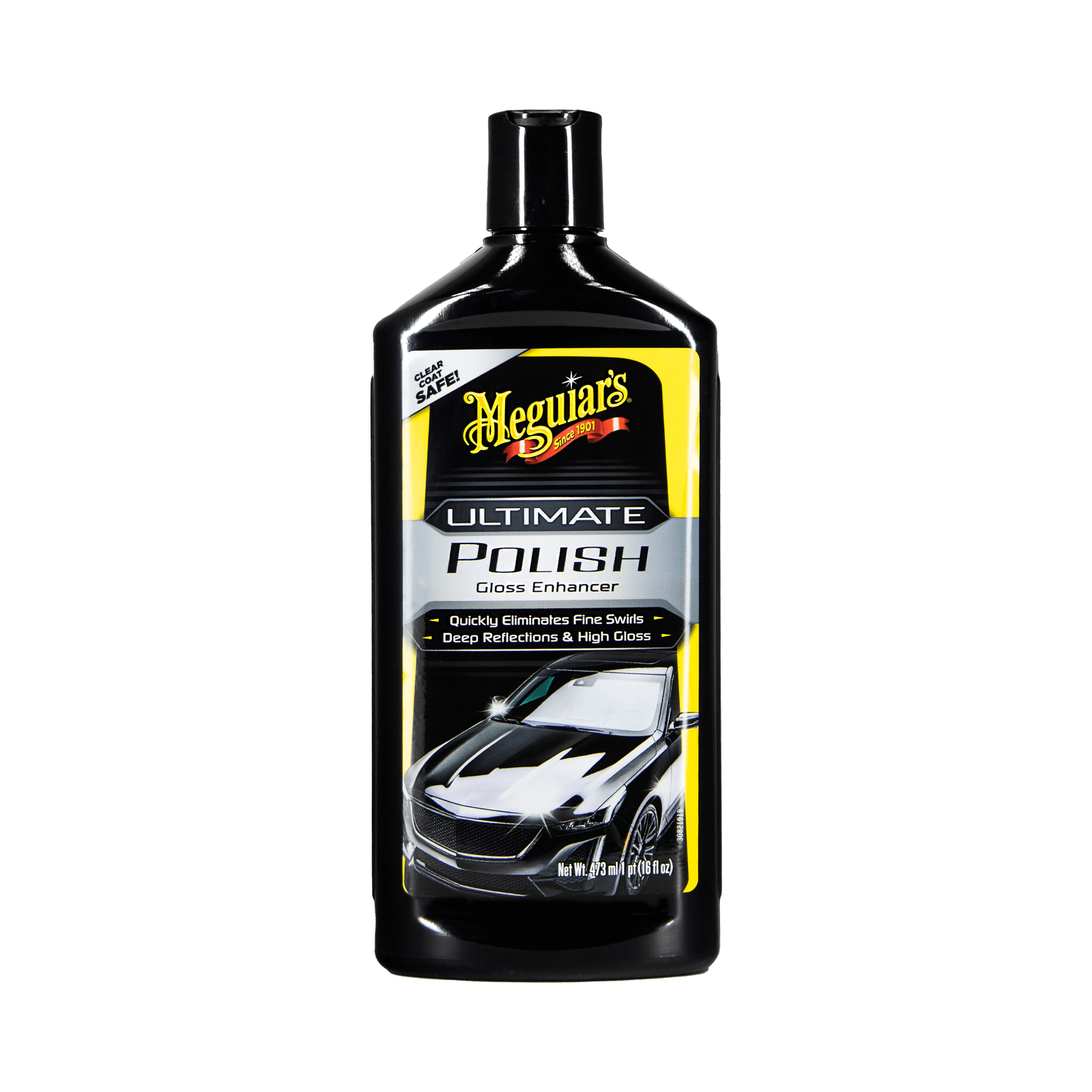
| 1 | Meguiar's Gold Class Car Wash | Wash and conditioner | Moderate | Yes, light conditioners | ££ |
| 2 | Autoglym Bodywork Shampoo Conditioner | Wash and conditioner | High | Yes, light gloss | ££ |
| 3 | Chemical Guys Mr Pink | Pure shampoo | High | No | ££ |
| 4 | Bilt Hamber Auto Wash | Pure shampoo | Very high | No | ££ |
| 5 | Gtechniq G Wash | Coating safe shampoo | Very high | No | £££ |
| 6 | Adam's Polishes Car Wash Shampoo | Pure shampoo | High | No | £££ |
| 7 | Griot's Garage Best of Show | Premium shampoo | Moderate | Light gloss | £££ |
1. Meguiar's Gold Class Car Wash
The best all rounder for most people. It produces a thick, stable foam, has genuinely good lubrication and includes conditioners that leave paint feeling smooth rather than squeaky. It is stocked in almost every motor factor and supermarket in the country, which counts for a lot when you run out on a Saturday morning.
2. Autoglym Bodywork Shampoo Conditioner
A British staple and the closest thing to a default answer. It is gentle, very economical at the recommended dilution, and it adds a light gloss without leaving anything that will interfere with a wax applied later. If you want one bottle in the garage that suits any car, this is it.
3. Chemical Guys Mr Pink
A pure, super slick shampoo with no gloss additives, which makes it the right choice as a preparation wash before claying, polishing or waxing. It foams well through a lance, rinses without residue and is kind to sealants. The scent is divisive, which is the only real criticism.
4. Bilt Hamber Auto Wash
The one to reach for when a car is genuinely filthy. British made, extremely concentrated and a stronger cleaner than most neutral shampoos, so it shifts winter road film that gentler products leave behind. It is still safe on wax, but it will not add any gloss of its own.
5. Gtechniq G Wash
Formulated to be used on ceramic coated cars, which means no fillers, no gloss enhancers and nothing that clogs the coating and kills its water behaviour. It is highly concentrated, so the cost per wash is lower than the shelf price suggests. Overkill on an unprotected car, ideal on a coated one.
6. Adam's Polishes Car Wash Shampoo
A concentrated, high lubrication shampoo aimed at people who care about avoiding wash marring above all else. It suits dark solid colours where every swirl shows. Availability in the UK is through specialist detailing suppliers rather than the high street.
7. Griot's Garage Best of Show
A premium option with rich foam, good water beading and a pleasant scent. It is an American brand that reaches the UK through detailing retailers, so it costs more here than it does at home, but it is a pleasure to use on a car you enjoy cleaning.
Should you buy a shampoo with wax in it?
Only if the car has no other protection on it. Wash and wax shampoos deposit a thin layer of polymer or carnauba as you rinse, which gives a week or two of beading and a slight gloss lift. That is a genuine benefit on a daily driver that never sees a proper wax.
The catch is that these additives can sit on top of a ceramic coating and mask the very surface you paid for, and they leave a film that has to be removed before polishing or refinishing. Our rule in the workshop is simple: if the car is coated, or if you are washing before any paint correction, use a plain pH neutral shampoo. Save the wash and wax for maintenance washes on an unprotected car.
How to wash a car with shampoo without scratching the paint
Work dirtiest to cleanest and top to bottom, and never let a mitt that has touched the ground go back on the paint.
- Do the wheels and arches first. Brake dust contains sharp iron particles that will scratch paint instantly. Use a separate bucket, a dedicated wheel cleaner and separate brushes, and keep that kit away from your paint kit permanently.
- Pre rinse the whole car. Start at the roof and work down, taking off as much loose grit as possible before anything touches the panels. This single step removes most of the material that causes swirl marks.
- Snow foam if you have a lance. Cover the car, leave it to dwell for a few minutes without drying, then rinse it off. The dirtier the car, the more this earns its place.
- Fill two buckets. One with shampoo at the recommended dilution, one with plain water for rinsing the mitt. Grit guards in the bottom of both keep released dirt out of circulation.
- Wash in straight overlapping passes. Roof, glass, bonnet and boot first, then the upper sides, then the lower doors, bumpers and sills last. Use a soft microfibre or lambswool mitt, never a flat sponge, and let it glide rather than pressing.
- Rinse the mitt after every panel. Into the rinse bucket, agitate it against the grit guard, wring it out, then back into the shampoo. This is the habit that does most to keep your paint clean.
- Rinse the whole car thoroughly. Take the nozzle off and let water sheet off the panels, which pulls most of the surface water with it and cuts drying time.
- Dry straight away with plush microfibre. Pat and draw the towel rather than scrubbing. Blow or blot water out of mirrors, badges and shuts so it does not run down later.
Work in the shade, or early or late in the day. Shampoo drying on a hot panel leaves streaks and hard water spots that are more trouble to remove than the dirt you started with.
What else do you need alongside the shampoo?
The shampoo is only as safe as the kit you use it with, and a good bottle used with a sponge will still mark the paint.
| Item | Why it matters |
|---|---|
| Two buckets and grit guards | The single biggest factor in avoiding wash marring. Released grit stays in the rinse bucket instead of going back on the car |
| Microfibre or lambswool mitt | Deep pile carries grit away from the surface. A flat sponge holds it against the paint and grinds it in |
| Separate wheel bucket and brushes | Brake dust is sharp and metallic. Wheel tools must never touch paint |
| Plush drying towel | A large twisted loop or plush microfibre absorbs water without dragging across the panel |
| Foam lance or pump sprayer | Lets you pre wash properly, which removes most of the grit before contact |
Wash your microfibres separately from household laundry, with no fabric conditioner and no softener sheets, because both clog the fibres and stop them absorbing. Replace mitts and drying towels once they feel stiff or start snagging, and throw away immediately anything that has been dropped on the ground. A towel that has picked up a single piece of driveway grit will put a scratch in a bonnet in one pass, and it costs far more to polish that out than to buy a new towel.
Why washing up liquid ruins paintwork
Washing up liquid is a degreaser. It is built to strip fat off a plate, and it strips wax, sealant and dressing off a car just as efficiently. The result is a car that looks clean for a day and then holds dirt harder than it did before, because the lacquer is bare.
There are two other problems. It has almost no lubrication, so the mitt drags rather than glides and every particle you miss in the pre rinse gets pushed across the panel. And the surfactants dry out rubber and plastic, so over a few years door seals, wiper blades and black trim go hard and grey. Any dedicated car shampoo, including the cheapest one on the shelf, is a better choice.
How often should you wash your car in the UK?
Every two weeks is a sensible target, and more often through winter. Salt and grit hold moisture against paint, arch lips and underbody seams, and that is what turns a stone chip into a rust bubble.
| Time of year | Suggested interval | Why |
|---|---|---|
| Winter, roughly November to March | Weekly to fortnightly | Salt and de icing grit need rinsing off before they sit and corrode |
| Spring | Fortnightly | Pollen, tree sap and the last of the winter film |
| Summer | Fortnightly | Bird lime and insects etch lacquer quickly in warm weather |
| Autumn | Fortnightly | Leaf mulch and damp trap dirt in shuts and drain channels |
Between washes, deal with anything acidic straight away. Bird droppings and tree sap left on a warm panel for a week will leave an etched outline that only machine polishing removes.
When washing is not enough
A good shampoo maintains paint that is already in decent condition. It cannot repair paint that has already been marked.
- If the car looks dull and shows fine circular scratching under a low sun or a garage light, the lacquer needs levelling. That is what our machine polishing service does, and a fortnightly safe wash afterwards keeps it that way.
- If you can catch a fingernail in a scratch, no wash routine will help. It needs filling and refinishing, which is covered by our scuff and scratch repair work.
- If washing has exposed chalky, patchy areas on the roof or bonnet, the lacquer has failed and the panel needs flatting and respraying.
Send a photo through the quick quote form if you are not sure which category a mark falls into, and we will tell you whether it will polish out or needs paint.
Need this doing properly?
Signature repairs alloy wheels and bodywork across Greater Manchester and the North West, mobile at your home or workplace. Free quotes answered within 24 hours.