Bodywork & paint
Full Car Respray Cost UK: What You Should Expect to Pay
What a full car respray costs in the UK, what changes the price, when a panel repair is the smarter option, and how to judge a body shop quote properly.
8 minute read By Signature Alloy Wheel & Body Repairs
In short
A full car respray in the UK typically runs from around £500 to £1,500 at the budget end, £1,500 to £3,000 for a properly prepared mid range job, and £3,000 upwards for high end or colour change work. Vehicle size, paint type, the amount of preparation and any repairs needed drive the price.
A full car respray in the UK usually costs somewhere between £500 and £10,000, which is a wide enough range to be useless on its own. The number that matters is which band your car falls into, and that comes down to four things: how big the car is, what kind of paint is going on it, how much preparation the existing surface needs, and whether any dents, rust or previous repairs have to be sorted out first.
How much does a full car respray cost in the UK?
As a broad guide, quotes tend to cluster into three bands. Prices move with materials and labour costs, so treat these as indicative rather than fixed.
| Band | Indicative cost | What you normally get |
|---|---|---|
| Budget | Around £500 to £1,500 | Standard solid paint, minimal preparation, trim masked rather than removed, limited colour choice, no repair work included |
| Mid range | Around £1,500 to £3,000 | Better paint systems, proper flatting and priming, minor dents and chips dealt with, wider colour choice, more trim removed |
| High end | £3,000 and upwards | Full strip down, extensive preparation, premium or specialist finishes, colour changes done through door shuts and under the bonnet, flatted and polished finish |
The gap between the bottom and the middle is nearly all preparation. Two shops can quote for the same car in the same colour and the difference in price is how many hours go into the surface before any colour is mixed. Paint hides nothing. A panel that has not been flatted properly will show every ripple and edge once it is under gloss.
What does a full respray actually involve?
A full respray means refinishing every external painted surface on the car, not just the panels you can see when it is parked.
The sequence in a proper body shop is roughly:
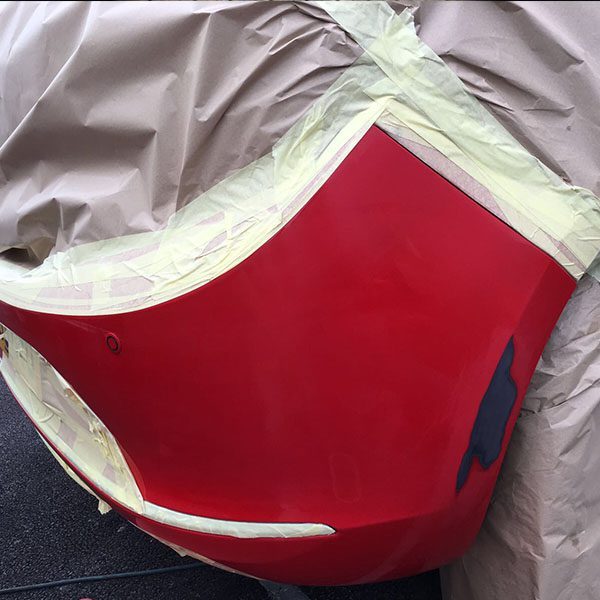
- Strip down. Bumpers, lights, door handles, mirrors, badges, trim and rubbing strips come off. Anything that stays on gets masked.
- Preparation. The existing finish is flatted back, damage is repaired, filler is applied and blocked where needed, and bare metal is treated and etched.
- Priming. Primer goes on, is left to cure, then is block sanded flat. This is the stage that decides how the finished car looks.
- Sealing and masking. The car is wiped down, tacked off and moved into the booth.
- Base coat. Colour is applied in several thin coats.
- Lacquer. Clear coat goes over the base for gloss and UV protection.
- Bake and cure. The booth is brought up to temperature to harden the finish.
- Flat and polish. Any nibs or texture are flatted out by hand and machine polished back to a gloss.
- Reassembly. Everything that came off goes back on, with new clips and seals where the old ones will not do.
A cheap respray typically skips the strip down and the flatting stage. That is why the price is a third of the alternative, and why the edges of door handles and window rubbers are the first place a poor job gives itself away.
What makes one respray quote higher than another?
| Factor | Effect on price |
|---|---|
| Vehicle size | An estate, SUV or van needs more material and more hours than a supermini |
| Paint type | Solid colours are cheapest. Metallics cost more, and pearl, candy and three stage colours cost more again because they need extra coats and careful blending |
| Surface condition | Peeling lacquer, sun faded roofs and old resprays all have to be flatted back further, sometimes to bare metal |
| Rust and corrosion | Rust has to be cut out and treated properly or it will lift the new paint within a year or two. This is skilled hours, not spraying |
| Existing dents and chips | Every dent has to be worked out or filled and blocked before priming |
| Trim removal | Removing glass, handles and lights costs labour but produces a far better result than masking around them |
| Colour change | Door shuts, boot aperture, bonnet underside, fuel filler and A pillars all have to be done, which roughly doubles the preparation |
| Guarantee | A shop offering a written guarantee on paint and workmanship is pricing in the risk of doing it again |
Colour changes deserve their own warning. Done cheaply, the original colour stays visible in the shuts and under the bonnet, which is obvious to any buyer and immediately reads as a cover up for accident damage. If you are changing colour, budget for it to be done through.
Do you actually need a full respray?
Most cars that people think need a respray do not. Before spending four figures, work out which of these you actually have.
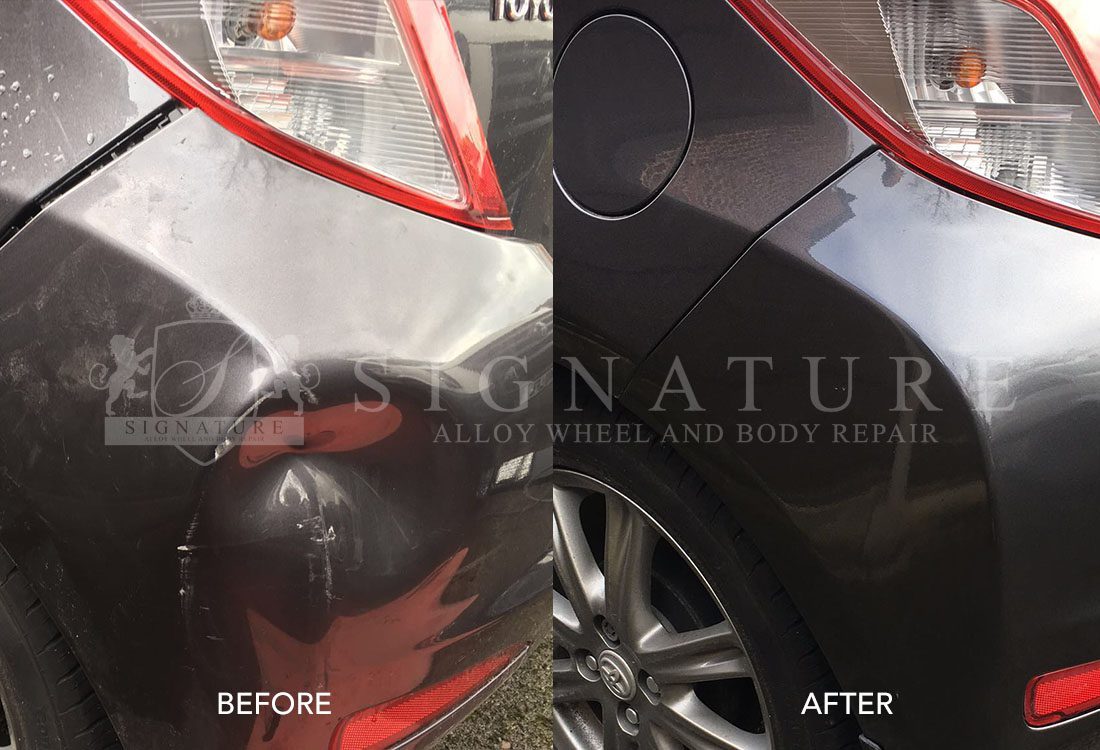
- Localised damage on one or two panels. A scuffed bumper, a kerbed door or a dented wing is a panel repair. A good shop will refinish the affected panel and blend into the adjacent one so the repair is invisible, at a fraction of a full respray. This is what our vehicle body repair service covers.
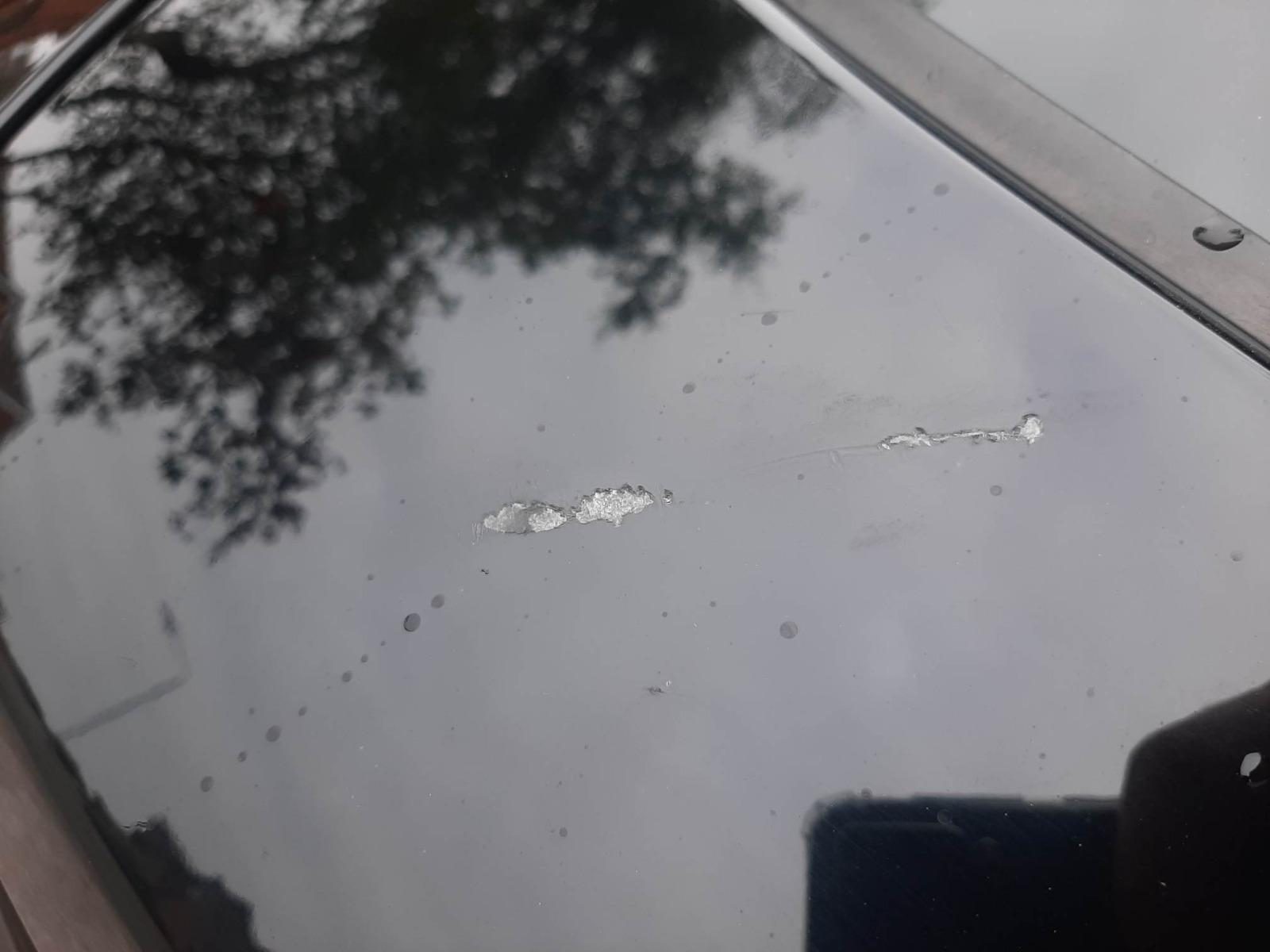
- Scratches and scuffs that have not gone through the lacquer. These are often a smart repair or a machine polish rather than a paint job at all.
- Dull, swirled or lightly oxidised paint. If the colour underneath is sound, machine polishing can transform it. Paint has a finite thickness and you only get so many corrections out of it, but a car that has never been polished usually has plenty in reserve.
- Stone chip peppering on the bonnet and front bumper. Often better handled as a front end refinish than a full car.
- Widespread lacquer peel, fade or a failed previous respray. This is the genuine case for doing the whole car. Once the clear coat is delaminating, patch repairs will keep spreading.
An honest body shop will tell you which of those you are looking at. If a shop quotes a full respray for a single damaged panel without inspecting the rest of the car, get another opinion.
DIY respray or professional?
| Consideration | DIY | Professional |
|---|---|---|
| Materials cost | Lower, but primers, base, lacquer, abrasives and masking add up quickly | Included in the quote |
| Equipment | Needs a compressor, spray gun, extraction and a dust free space | Booth with filtered air, heating and controlled lighting |
| Colour matching | Very difficult. Factory colours have paint variants, and a code alone rarely matches a weathered car | Matched by code plus variant, checked against a spray out card |
| Finish quality | Orange peel, runs, dry patches and dust inclusions are common on first attempts | Flatted and polished to a uniform gloss |
| Time | Weeks of evenings, with the car off the road throughout | Days to a few weeks |
| Guarantee | None | Written guarantee on parts and workmanship |
| Risk | A poor result usually costs more to put right than doing it properly first time | Redone at the shop's cost if it fails |
Rattle can and roller resprays exist and they can look acceptable at ten paces on a cheap car that is being kept, not sold. They will not survive close inspection, they cannot be machine polished the way a two pack finish can, and they will devalue anything with residual worth.
What a respray will not fix
Paint covers a surface, it does not correct what is under it. Before committing to the cost, be clear about what stays the same.
- Dents and ripples. These have to be repaired as part of the preparation. If they are not in the quote, they will still be there under the gloss, and gloss makes them more obvious, not less.
- Rust that has not been cut out. Painting over corrosion buys a year at most. It comes back through the new finish as blisters, usually along the same edge.
- Poor panel gaps and misaligned doors. These are a fitting issue, not a paint issue.
- Faded or crazed plastic trim. Bumper mouldings, mirror caps, arch extensions and grilles need their own treatment or replacement, and new paint next to grey, chalky plastic looks worse than before.
- Cloudy headlamp lenses. Restoring or replacing these does more for how a car looks than most people expect, and is cheap by comparison.
- Kerbed alloy wheels. A fresh body with damaged wheels still reads as a neglected car.
Ask any shop quoting for a full respray which of these are included and which are extra. The honest answer is usually that trim, lamps and wheels are separate, and knowing that up front stops the final bill being a surprise.
How to judge a car respray quote
- Ask what the price includes. Specifically: is the car stripped or masked, is flatting included, are dents and chips repaired, does it cover shuts and the engine bay.
- Ask what paint system is being used and whether the finish is two pack lacquered.
- Ask to see current work in progress, not just finished photos. The preparation stage tells you more than the gloss does.
- Look at their previous jobs in daylight and check edges, shuts, handles and the transition into unpainted trim.
- Get the guarantee in writing, including what it covers and for how long.
- Compare like with like. A quote that is half the price of the others is almost always missing preparation, not being generous.
- Get a written breakdown covering repairs, preparation, paint and any parts, so you can see where the money goes.
Looking after a fresh respray
New paint keeps curing for weeks after the car leaves the booth.
- Leave washing for around two weeks, then hand wash with a soft mitt and pH neutral shampoo.
- Keep pressure washers away from edges and shuts for the first month.
- Do not wax, seal or apply a ceramic coating for roughly three months, so the finish can gas out properly.
- Remove bird lime, tree sap and fuel spills straight away. Fresh paint is softer and marks more easily than cured paint.
- Avoid fitting a car cover in the first few weeks, particularly a fabric one that can hold moisture against the surface.
- Park out of full sun where you can while the paint hardens.
Follow that and a properly applied finish will stay sharp for years. Rush the first month and you can put marks into new paint that need polishing out.
Need this doing properly?
Signature repairs alloy wheels and bodywork across Greater Manchester and the North West, mobile at your home or workplace. Free quotes answered within 24 hours.