Car care
How to Keep Your Car Cool in Summer: Practical Tips
Keep your car cool in summer with shade, sunshades and the fastest way to clear a hot cabin, plus UK tint rules and the checks that prevent heat damage.
11 minute read By Signature Alloy Wheel & Body Repairs
In short
Park in shade, keep a reflective sunshade on the windscreen and get the trapped hot air out before you set off. Open the doors or windows for a minute, then run the air conditioning on fresh air until the vents blow cold and switch to recirculation. Service the air conditioning yearly.
A car left in direct sun becomes an oven because glass traps heat far faster than the cabin can shed it. The fix is not complicated: keep the sun off the glass while the car is parked, get the trapped air out before you drive off, and keep the air conditioning in good order so it can do its job. Everything below is the detail behind those three points, plus the heat damage worth guarding against over a UK summer.
Why does a parked car get so hot inside?
Sunlight passes straight through the glass, is absorbed by the dashboard, seats and trim, and is re-radiated as longer wavelength heat that the glass will not let back out. The cabin air heats from those hot surfaces, so on a still, bright day the interior climbs well above the outside temperature within minutes, and dark surfaces get hotter still than the air around them.
That heat does more than make the first five minutes uncomfortable.
| Part of the car | What heat does to it |
|---|---|
| Dashboard and door trims | Plastics fade, harden and eventually crack, and adhesives on trim panels can let go |
| Leather and vinyl seats | Dry out, lose flexibility and start to crease and split |
| Battery | Heat shortens battery life more aggressively than cold does, and speeds up electrolyte loss |
| Tyres | Pressures rise as the air inside expands, so a hot tyre reads high |
| Paint and lacquer | UV dulls the clearcoat over time, and bird lime and sap etch into hot paint far quicker |
| Electronics and phones | Screens, batteries and mounts suffer, and lithium cells left on a sunlit seat are a genuine fire risk |
Where should you park to keep your car cool?
Shade beats every accessory, and it costs nothing. When you have a choice of spaces, judge the shade for when you come back rather than when you arrive, because the sun will have moved. A space that is shaded at nine in the morning is often in full sun by lunchtime.
- Multi-storey and underground car parks are the best option on a hot day, even if it means a short walk.
- If you park on the street, point the windscreen away from the afternoon sun. The windscreen is the biggest single opening for heat.
- Buildings give more reliable shade than trees because the shadow moves more predictably.
- Trees do work, but expect bird lime and sap. Both etch hot lacquer within hours, so wash them off the same day rather than leaving them a week.
- A breathable car cover is worth it if the car sits outside all week, though it is a nuisance for a quick trip to the shops.
Do sunshades and window tints actually work?
Both work, and a reflective windscreen shade is by far the best value item you can buy for a hot car. It stops sunlight reaching the dashboard at all, which is where most of the trapped heat comes from, and it keeps the steering wheel, gear selector and seat belt buckles cool enough to touch.
Look for a shade that is cut to your screen size and sits flat against the glass, including the corners. A shade that curls away at the edges leaves a bright strip of dashboard cooking underneath it. Concertina and folding shades pack away neatly; roller blinds that clip into the sun visors are quicker to deploy day to day. Stick on sun socks for the rear side windows are worth having if you carry children.
Window tinting is a longer term option, and UK law is specific about how dark you can go on a car first used on or after 1 April 1985.
| Glass | Minimum light that must pass through |
|---|---|
| Front windscreen | 75 per cent |
| Front side windows | 70 per cent |
| Rear side windows and rear screen | No legal limit |
Factory privacy glass is fitted behind the B pillar for exactly this reason. If the front glass is tinted below the limits, the police can issue a prohibition notice stopping the car being used until the film comes off, and the car will fail its MOT on the front side windows. A quality film on the rear glass, combined with a windscreen shade, gets you most of the benefit legally.
How do you cool a hot car quickly?
Get the hot air out first, then let the air conditioning work on cooler air. Turning the fan straight onto a cabin full of superheated air just blows it round.
- Open both front doors, or open a front window and swing the opposite door two or three times to pump the hot air out. Thirty seconds of this makes a bigger difference than the first two minutes of air conditioning.
- Start the engine and turn the air conditioning on with the fan high, temperature low and the system set to fresh air rather than recirculation.
- Drive off with the front windows down for the first minute so the remaining hot air and the heat soaked into the trim can escape.
- When the vents blow properly cold, close the windows and switch to recirculation. Recirculating already cooled air is far more efficient than repeatedly chilling hot outside air.
- Aim the vents upwards. Cold air falls, so pointing the vents at the roof cools the whole cabin rather than just your hands.
- Once the car is comfortable, ease the temperature up and the fan down. Sitting at maximum cold for an hour is neither comfortable nor efficient.
If your car has climate control, set a temperature in the low twenties and let it manage the fan. Repeatedly stabbing the temperature down to its minimum defeats the point of the system.
Does using air conditioning cost fuel?
Yes, the compressor draws power from the engine and there is a measurable penalty, but it is smaller than most drivers assume and it varies with speed. In slow town traffic, open windows generally cost less fuel than air conditioning. At motorway speeds the aerodynamic drag from open windows costs more than the compressor does, so glass up and air conditioning on is the efficient choice.
Two other points are worth knowing. Air conditioning also dehumidifies, so it clears a misted screen far faster than heat alone, which is a safety benefit year round. And running the system for ten minutes every couple of weeks through the winter keeps the seals lubricated, which is what stops refrigerant escaping and leaving you with a warm car next July.
Is it legal to leave the engine running to cool the car?
No, not while the car is parked. The Highway Code is clear that you must not leave a parked vehicle unattended with the engine running, and you must not leave an engine running unnecessarily while the vehicle is stationary on a public road. Councils have powers to issue fixed penalty notices for stationary idling, and enforcement has increased in urban areas including Greater Manchester.
There is an insurance point too. A car stolen while it was left running with the keys in is one of the most reliably declined claims there is.
If your car has remote start, or an app that preconditions the cabin, use that instead. Preconditioning is standard on most electric and plug in hybrid cars and can run the cooling from mains power while the car is still plugged in, which costs nothing in fuel and nothing in idling penalties.
Which cooling accessories are actually worth buying?
| Accessory | Worth it? | Notes |
|---|---|---|
| Reflective windscreen shade | Yes | The single most effective item. Buy one cut to your screen |
| Rear side window shades | Yes, with children | Keeps direct sun off child seats and off small passengers |
| Steering wheel cover | Yes | A light coloured cover stays touchable in full sun |
| Light coloured seat covers | Yes | Pale, breathable fabric runs far cooler than dark leather or vinyl |
| Ventilated or gel seat cushion | Sometimes | Genuinely helps on long drives, but check it does not foul the seat airbag |
| Wind deflectors | Sometimes | Let you leave the glass down slightly in rain, though an insecure car is still an insurance risk |
| 12V clip on fan | Sometimes | Useful in older cars with weak or no air conditioning |
| Dash mat | Yes | Protects a cracked or fading dashboard and cuts windscreen glare |
| Cool box | Personal choice | Handy for long journeys, no effect on cabin temperature |
Avoid anything that sits loose on the dashboard or parcel shelf. In a heavy stop it becomes a projectile, and reflective objects on the dash also throw glare into the windscreen.
What summer maintenance keeps the car cool?
Heat puts more strain on the cooling and charging systems than winter does. Ten minutes of checks at the start of the season is enough.
- Air conditioning. If the cold is not what it was, have the system tested. Refrigerant escapes slowly through the seals in every car, and a regas plus a leak check restores it. A musty smell when you first switch on usually means bacteria on the evaporator, which an antibacterial treatment and a new pollen filter clears.
- Pollen filter. A clogged filter throttles airflow, so the air conditioning feels weak even when the refrigerant is fine. Change it annually.
- Coolant. Check the level cold, and check the strength as well as the quantity. Modern coolant is as much about corrosion protection and boiling point as it is about freezing.
- Radiator and condenser. Look through the front grille. A mat of flies, leaves and road debris across the condenser is a common reason air conditioning goes weak in traffic. A gentle rinse from the front, working outwards, clears it.
- Tyre pressures. Always set them when the tyres are cold. A tyre checked after a motorway run reads high because the air inside has expanded, and letting air out at that point leaves it dangerously soft the next morning.
- Battery. Heat is harder on a battery than cold. Clean any white or green deposits from the terminals and make sure the clamps are tight.
- Screen wash. Summer means flies and dust. Keep the bottle full and the jets aimed properly.
- Oil. Check the level on a level surface with a cold engine. Heat and long motorway runs accelerate consumption in some engines.
What should never be left in a hot car?
Never leave children or pets in a parked car, not even for a few minutes with the windows cracked. The temperature climbs faster than most people expect and a car in shade at ten can be in full sun by eleven.
Beyond that, take these out before you lock up:
- Aerosols, lighters and gas canisters, all of which are pressurised.
- Lithium batteries, so power banks, vapes, phones, laptops and drone packs.
- Medication, which often has a stated storage temperature limit.
- Sunglasses and anything with a plastic frame or lens.
- Bottled drinks and chocolate, which stain trim and carpet when they leak or melt.
- Satnavs, dash cams and phone mounts, both because heat damages them and because the sucker ring left on the glass advertises what is in the glovebox.
- Anything of value. Summer sees more opportunist break ins, and a visible bag is all the invitation needed.
One more habit worth building: check seat belt buckles and child seat harness clips before strapping a child in. Metal tongues sitting in direct sun get hot enough to mark skin.
How do you protect the interior and paint over a summer?
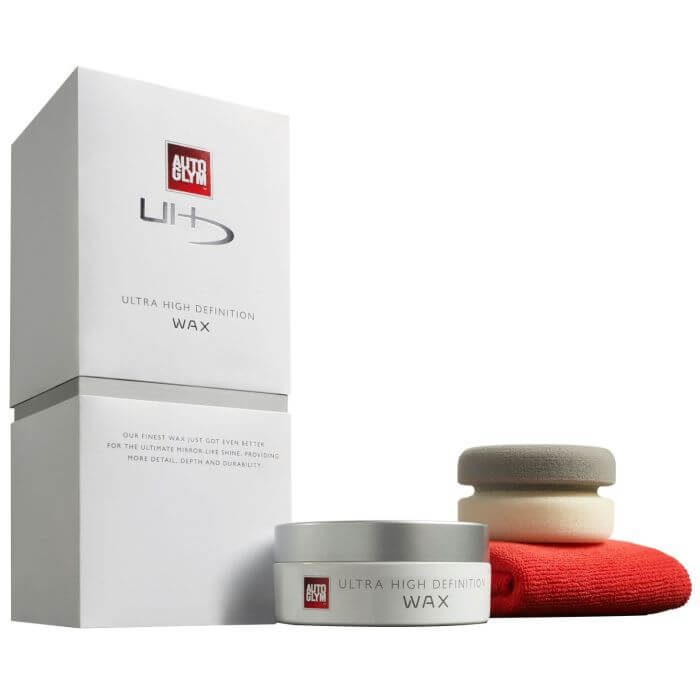
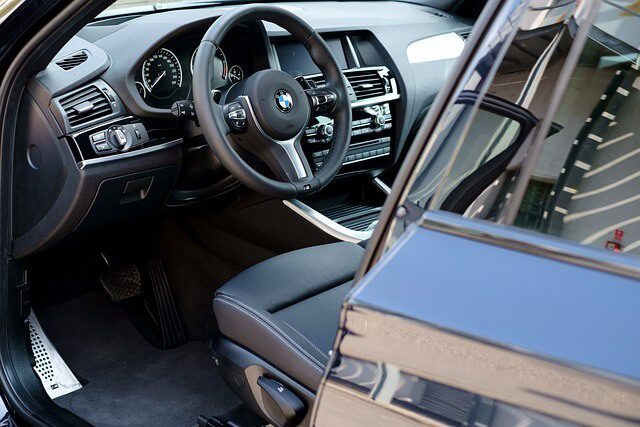
Give the dashboard and door tops a UV protectant a couple of times over the season, choosing a matt product rather than a glossy one so it does not reflect into the windscreen. Leather benefits from a proper conditioner two or three times a year, more if the car lives outside.
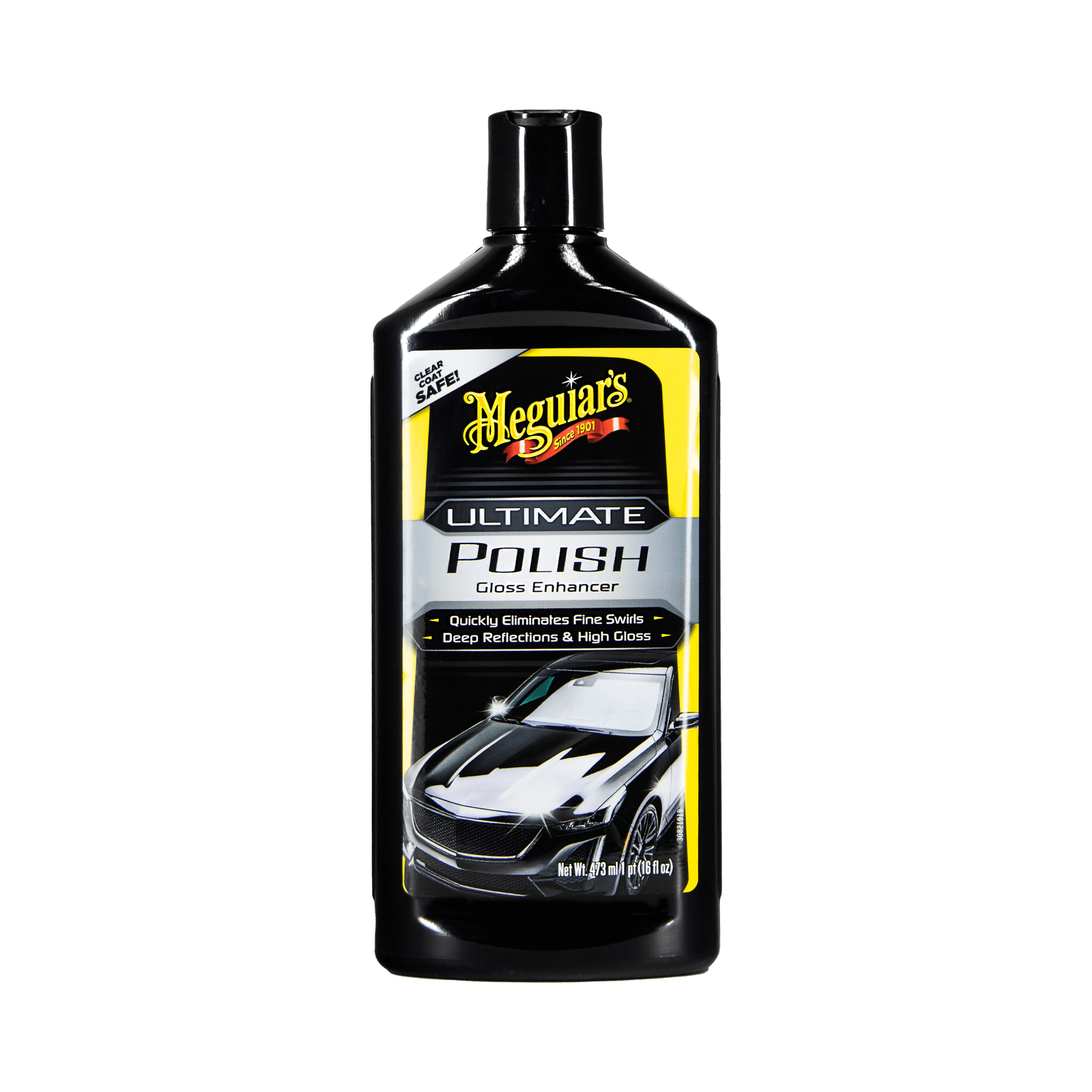
Outside, a coat of wax or a synthetic sealant is the practical defence against UV. It also means bird lime and sap sit on the protective layer rather than directly on the lacquer, which buys you time to wash them off. Deal with both quickly, because acidic deposits on hot paint etch into the clearcoat in hours rather than days.
If the paint already looks flat, chalky or covered in fine swirl marks from a summer of quick washes, that is lacquer damage rather than dirt, and it responds to machine polishing rather than more washing. Where the clearcoat has actually failed and is peeling, or where sun has faded a panel unevenly, it needs refinishing, and a localised SMART repair is usually enough for a roof or a bonnet edge rather than a full respray.
Summer journey checklist
Run through this before a long trip in hot weather:
- Tyre pressures set cold, including the spare, and adjusted for a fully loaded car.
- Coolant, oil and screen wash checked.
- Air conditioning blowing genuinely cold on a test run.
- Windscreen clean inside and out, wipers in good condition.
- Sunshade and rear window shades in the boot.
- Water for everyone in the car, plus a rest stop planned every couple of hours.
- Roof bars or a roof box removed if you are not using them, since they cost fuel and add wind noise.
- Anything valuable out of sight before you park at the services.
Need this doing properly?
Signature repairs alloy wheels and bodywork across Greater Manchester and the North West, mobile at your home or workplace. Free quotes answered within 24 hours.