Bodywork & paint
Stone Chip Repair: How to Fix Paint Chips on Your Car
Stone chips rust if you leave them. Here is how to repair a chip yourself with a touch up kit, what a SMART repair does differently and when to hand it over.
9 minute read By Signature Alloy Wheel & Body Repairs
In short
A stone chip is a small break in the paint caused by road debris striking the car. Small chips can be repaired at home by cleaning the area, applying thin layers of colour matched touch up paint, then flatting and polishing it level. Chips that reach bare metal should be repaired quickly, because they corrode.
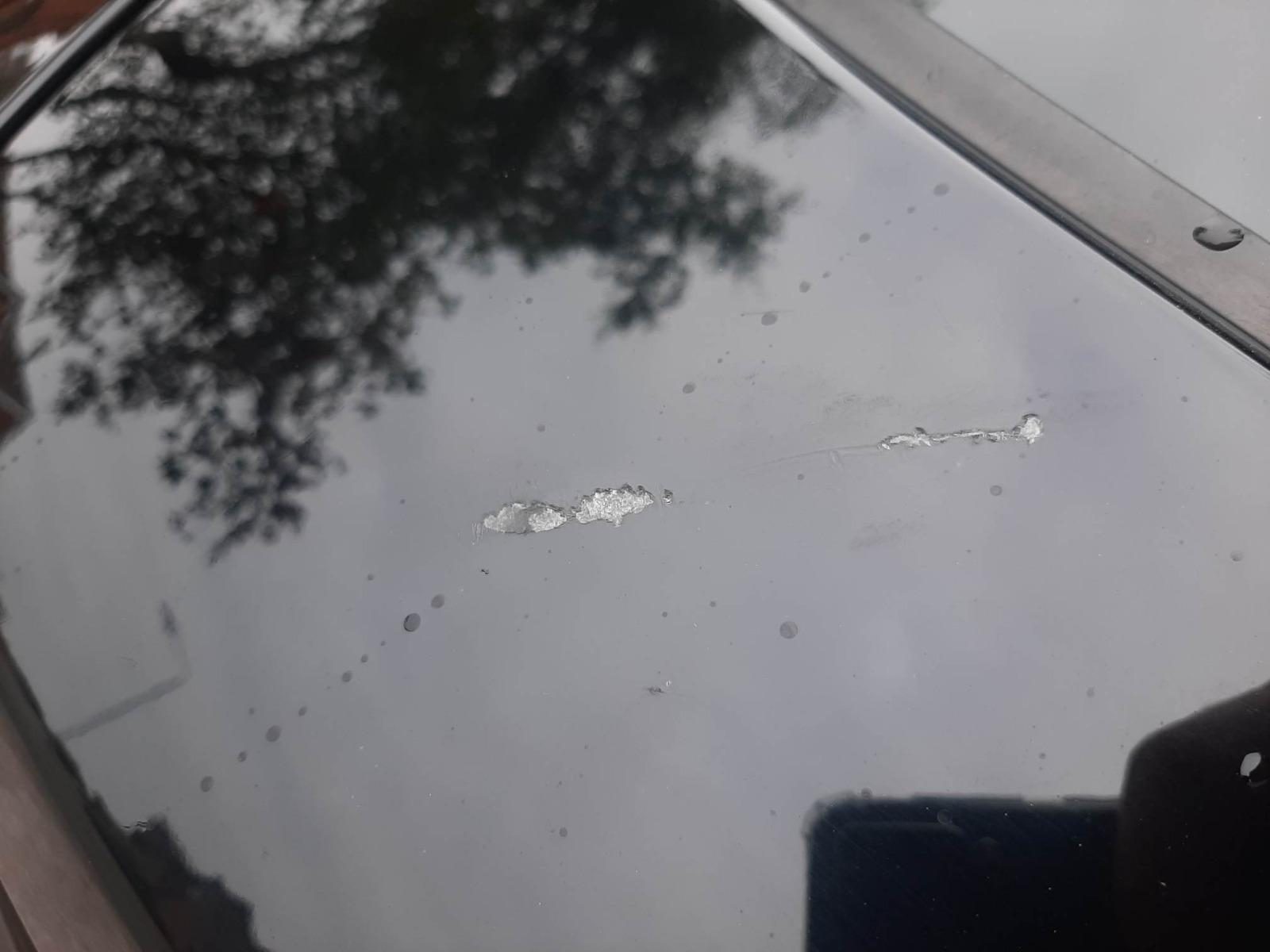
A stone chip is a small break in the paint where a piece of road debris has struck the car at speed. Most are the size of a pinhead, they cluster on the bonnet, the front bumper and the leading edge of the wings and mirrors, and on their own they are cosmetic. The reason they matter is what happens next: if the chip has gone through to bare metal, it will start to corrode, and a chip is a much smaller job than the rust that follows it.
What causes stone chips?
Impact from road debris thrown up by other vehicles and by your own tyres. Grit, gravel, stone fragments and pieces of tarmac get flicked up at speed and hit the front of the car with enough force to break the paint film.
The conditions that make it worse are all familiar to anyone driving in the UK:
- Motorway speed. The faster the closing speed, the more energy in the impact. A stone that would bounce off at 30mph chips the paint at 70mph.
- Winter gritting. Roads spread with grit are covered in exactly the sort of loose sharp material that chips paint, and it gets kicked up for days after the gritter has been.
- Following too closely. Most chips come from the vehicle in front, and lorries and vans throw up more than cars.
- Fresh road surfaces and roadworks. Newly chipped tarmac sheds loose stone for weeks.
- Country lanes and unmade tracks. Loose gravel at the edges and pothole repairs that have broken up.
- Age of the paint. Older paint is less flexible than fresh factory paint and chips more readily from the same impact.
A common misunderstanding is that water or rain causes chips. It does not. Rain makes existing chips worse by feeding moisture into exposed metal, but the chip itself is always mechanical damage from an impact.
Why do stone chips need repairing?
Because a chip that reaches bare metal is the starting point for corrosion, and corrosion is far more expensive to put right than paint. Car paint is a layered system: primer for adhesion and corrosion protection, colour for appearance, lacquer for gloss and durability. A chip that only breaks the lacquer is untidy. A chip that goes through primer to bare steel has removed the corrosion barrier entirely.
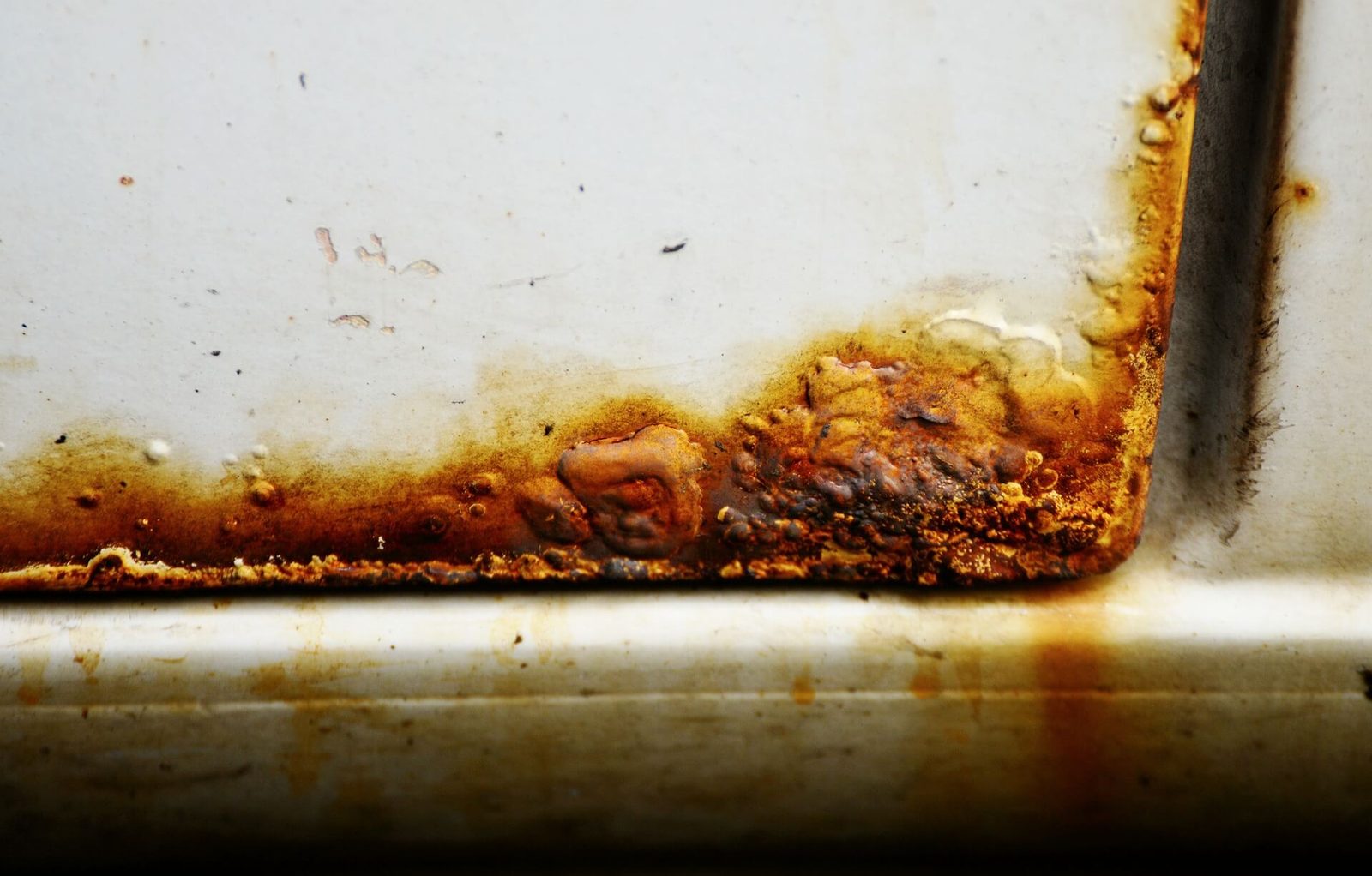
Once water and road salt reach that steel, rust forms, expands and creeps outwards under the surrounding paint. What you see on the surface is always smaller than the affected area beneath it. Left long enough, the paint blisters, then flakes, and the repair moves from a touch up to sanding, filling and repainting a section of panel.
The other reason is value. A bonnet covered in chips reads as a high mileage motorway car to any buyer, and it comes off the price. On a lease or PCP, paint damage beyond the fair wear and tear standard is charged back at the end of the agreement.
Can you repair a stone chip yourself?
Small, isolated chips are a reasonable DIY job with a decent touch up kit and some patience. You are not trying to make the chip vanish. You are trying to fill it so no bare metal is exposed and so it does not catch the eye at normal viewing distance.
What you need:
- Warm soapy water, a clean cloth and a microfibre towel
- Isopropyl alcohol or white spirit to degrease
- Touch up paint mixed to your car's paint code, with a fine brush or paint pen
- Primer, if the chip has gone to bare metal
- Very fine wet and dry paper, or a mild cutting compound such as a rubbing compound
- Lacquer or a clear sealant, depending on the kit
- A cocktail stick or pencil for precise application and sanding
Find your paint code before buying anything. It is on a plate or sticker, usually in the driver's door shut, under the bonnet, in the boot near the spare wheel well or inside the fuel filler flap. Avoid the cheapest generic kits: they carry a narrow range of approximate colours and leave a repair you can spot from across a car park. Paint mixed to your specific code costs a little more and looks considerably better.
How to repair a stone chip with a repair kit
Work small, work thin and let each stage dry properly. Rushing is what turns a neat repair into a visible blob.
-
Clean the chip and the area around it. Wash with warm soapy water to lift loose dirt, then wipe over with isopropyl alcohol or white spirit. Any grease left in the chip will stop the paint sticking. Let it dry fully.
-
Deal with raised edges. If the paint around the chip has lifted into a sharp lip, knock it back very gently with fine wet and dry or a cutting compound. Use light pressure and stay within the chip area, because the aim is to level the edge rather than sand the surrounding lacquer.
-
Prime if you can see metal. If the chip is down to bright steel, apply a tiny amount of primer with a cocktail stick or the finest brush in the kit and let it dry completely. On chips that have only gone into the colour coat, skip this step.
-
Build the colour in thin layers. Apply the touch up paint in several very thin coats rather than one thick one, following the manufacturer's drying times between each. You are reproducing the layers the factory applied. Keep the paint inside the chip and wipe any that strays onto the surrounding paint straight away with a dry cloth. Aim to finish very slightly proud of the surrounding surface.
-
Level the repair. Once fully dry, and that means days rather than hours for touch up paint, level the small raised bead with very fine wet and dry. Wrap the paper around the blunt end of a pencil so you are only working on the repair and not the paint around it, and keep the paper wet.
-
Seal and polish. Apply lacquer or the sealant supplied with the kit if the finish needs it, let it dry, then bring the gloss back with a light polish. Leave a repair a few weeks before waxing it.
Two honest caveats. Metallic and pearlescent colours are much harder to touch up neatly than solid colours, because the flake has to lie the same way as it does in the surrounding paint and a brush cannot achieve that. And a bonnet with dozens of chips is not a touch up job at all. Filling forty chips individually by hand leaves forty small marks, which is why a peppered panel is better handled as a proper repair.
How much does stone chip repair cost?
A DIY kit costs very little, while a professional repair costs more but produces a finish that is genuinely hard to find. The realistic comparison is not cost against cost, it is cost against outcome.
| Option | What you get | Best suited to |
|---|---|---|
| Generic touch up kit | Approximate colour, visible repair | Older cars, chips in hidden areas |
| Touch up mixed to your paint code | Correct shade, tidy repair on solid colours | A handful of isolated chips |
| Professional SMART repair | Colour mixed and tinted to the panel, blended and lacquered | Clusters of chips, metallic paint, cars being sold or returned |
| Full panel respray | Uniform finish across the whole panel | Heavily chipped bonnets and front wings |
A SMART repair costs considerably less than a traditional body shop respray, because the work is confined to the damaged areas rather than the whole panel and there is no need to remove and refit trim. What drives the price on any given job is the number of chips, how deep they are, which panel they are on and the colour, since some finishes are more difficult to match and blend than others.
Why take your car to a professional?
Because a professional repair puts the right paint into the chip and blends it, rather than dabbing a different paint on top of it. There are three practical reasons owners hand chip repair over.
Colour accuracy. A body shop pulls the formula for your paint code from a mixing scheme, then adjusts it against a sprayed test card held to the actual panel. Paint fades with age and British weather, so the code alone is a starting point rather than an answer. That tinting step is what makes a repair disappear.
Volume. Repairing one chip by hand is manageable. Repairing a bonnet's worth is not, and the result of trying is a panel covered in small dots that look worse than the chips did.
Not making it worse. The most common way a DIY chip repair goes wrong is over-sanding: flatting the raised paint too enthusiastically cuts through the surrounding lacquer, and now you have a dull patch as well as a chip. That is a bigger job to correct than the original damage.
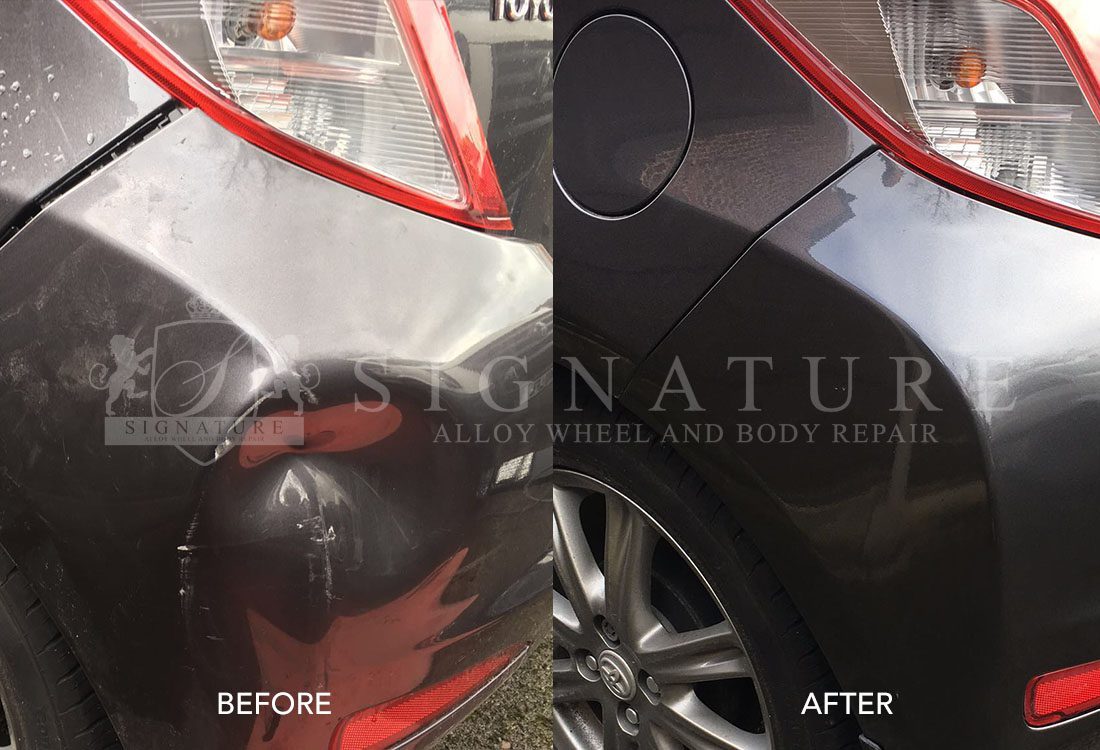
At Signature we use SMART repair methods for chip work. Paint is applied directly into the chip so the metal is sealed against corrosion, then the area is finished and blended into the surrounding paint. Because the repair is localised, it is quick, the car is usable the same day, and it can normally be carried out at your home or workplace.
How can you prevent stone chips?
You cannot avoid them entirely on British roads, but you can reduce how many you collect.
- Leave a bigger gap, especially behind lorries, vans and any vehicle throwing up spray or grit
- Slow down on loose surfaces, gravel tracks, roadworks and freshly dressed tarmac
- Move over from the inside lane where practical on motorways after gritting, as the nearside collects the most debris
- Wash the car regularly over winter so salt and grit are not left sitting in existing chips
- Consider paint protection film on the bonnet, front bumper, wing mirrors and the leading edge of the wings if the car does high motorway mileage
- Fix chips as they appear rather than waiting until the bonnet is covered
That last point is the one that saves the most money. A chip is a five minute job for a technician and a rust repair is a day's work.
If your bonnet or bumper has picked up a set of chips, send a few clear photographs taken in daylight through the quick quote form or ring 0161 667 0919. Signature has been repairing paintwork from the body shop at Radcliffe since 2008, covers Greater Manchester, Lancashire, Cheshire, Merseyside and West Yorkshire with a mobile service, and answers free quotes within 24 hours. There is more detail on how the process works on the stone chip repair page.
Need this doing properly?
Signature repairs alloy wheels and bodywork across Greater Manchester and the North West, mobile at your home or workplace. Free quotes answered within 24 hours.