Bodywork & paint
Vehicle Body Repairer: What They Do and How to Choose
What a vehicle body repairer actually does, the qualifications worth checking, the kit they use and how a repair runs from first estimate through to handover.
10 minute read By Signature Alloy Wheel & Body Repairs
In short
A vehicle body repairer restores damaged panels, paintwork and structure on cars, vans and light commercials. The job covers dent removal, scratch and scuff repair, bumper work, panel replacement, welding, alloy wheel refurbishment and colour matched refinishing, followed by a quality check to confirm the vehicle is safe and looks right.
A vehicle body repairer restores the panels, paintwork and structure of a damaged vehicle so it looks and drives as it did before the damage happened. The job sits between craft and engineering: reading how metal has deformed, deciding what can be reshaped and what has to be replaced, then matching factory paint closely enough that the repair disappears. Most owners will need one at some point, whether it is a car park dent, a kerbed alloy or a genuine collision.
What does a vehicle body repairer do?
A vehicle body repairer diagnoses and fixes damage to a vehicle's bodywork, paint and supporting structure. They work on cars, vans, light commercials and sometimes lorries, motorhomes and horseboxes, dealing with collision damage, kerb and car park knocks, corrosion, vandalism and general wear.
The work splits into three broad strands:
- Panel work. Reshaping dented metal, pulling out creases, filling and shaping where reshaping alone will not do it, and cutting out and replacing panels that are beyond repair.
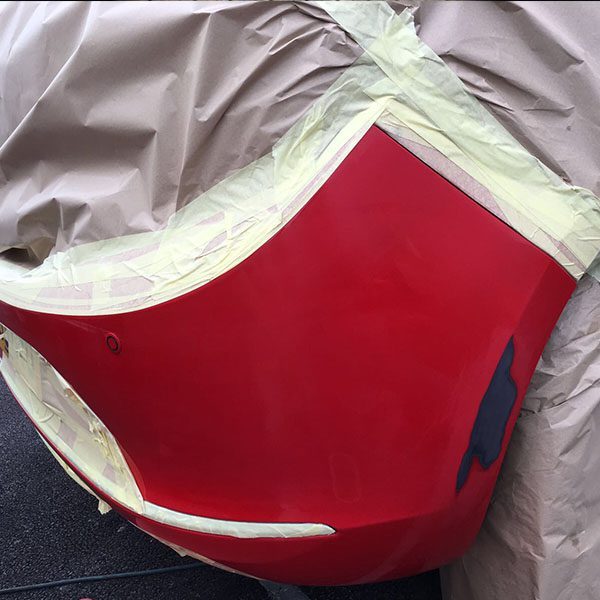
- Refinishing. Preparing the surface, priming, mixing and spraying colour to match the vehicle, applying lacquer, then flatting and polishing the edge of the repair so it blends into the surrounding paint.
- Assessment and reassembly. Stripping trim, lights, handles and mouldings before repair, refitting them afterwards, and checking panel gaps, alignment and finish before the vehicle goes back.
Modern vehicles complicate all three. High strength steels cannot be heated or pulled like older mild steel. Aluminium panels need separate tools and a separate work area to avoid cross contamination. Bumpers carry parking sensors, cameras and radar units that may need recalibrating after removal. A good repairer knows which of these apply to the car in front of them.
What services does a body shop offer?
A typical UK body shop covers most cosmetic and structural repair under one roof. Common services include:
- Dent removal, including paintless dent removal where the paint surface is intact
- Scratch and scuff repair on panels, bumpers and trim
- Bumper repair, including cracks, splits and mounting tabs
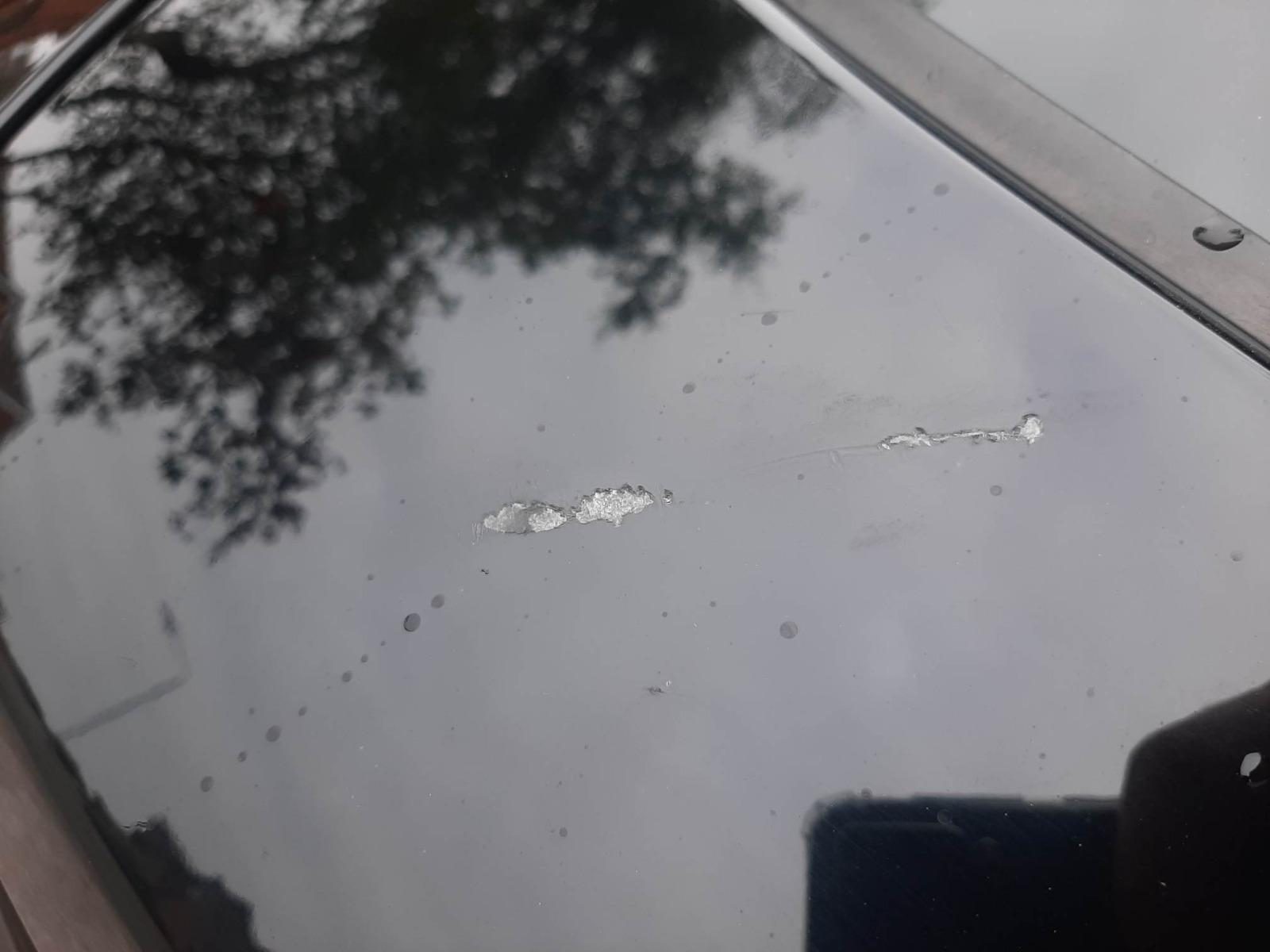
- Stone chip repair on bonnets, wings and door edges
- Panel replacement and welding after collision damage
- Chassis and structural alignment on measuring equipment
- Alloy wheel refurbishment, including diamond cut faces
- Corrosion repair and localised rust treatment
- Glass replacement and windscreen work, often subcontracted to a glass specialist
- Colour matched respraying, from a single panel to a full vehicle
- Machine polishing and paint correction to remove swirl marks and light defects
- Restoration and custom paintwork
Smaller cosmetic jobs are increasingly handled as smart repairs, where only the damaged area is treated rather than the whole panel. That keeps cost and turnaround down and preserves more of the original factory paint.
Types of vehicle body repairer in the UK
There are five broad categories, and the right one depends on the damage, your budget and whether an insurer is involved.
| Type | Best for | Watch out for |
|---|---|---|
| Independent body shop | Most cosmetic and collision work, usually the best value | Standards vary, so check equipment and guarantee |
| Franchised dealer body shop | Newer vehicles under warranty, brand specific procedures | Typically the most expensive route |
| Specialist body shop | Prestige, classic, aluminium bodied or commercial vehicles | May have longer lead times |
| Mobile repairer | Dents, scuffs, scratches, chips, kerbed alloys, lease returns | Not suitable for structural or full panel work |
| Insurer approved repairer | Insurance claims, courtesy car provision, claim handling | You are still entitled to nominate your own shop |
Many businesses sit in more than one category. Signature has run a body shop in Radcliffe since 2008 and also operates a mobile service across Greater Manchester, Lancashire, Cheshire, Merseyside and West Yorkshire, which means the same technicians handle driveway repairs and workshop repairs.
What qualifications does a vehicle body repairer need?
There is no legal licence required to repair vehicle bodywork in the UK, which is exactly why qualifications are worth checking. The recognised routes are:
- Apprenticeships. The standard entry route, combining workshop training with college study. A body repair apprenticeship usually runs two to four years.
- IMI qualifications. Level 2 and Level 3 Diplomas in Vehicle Accident Repair, awarded by the Institute of the Motor Industry.
- City and Guilds qualifications. Level 2 and Level 3 Diplomas covering body repair and refinishing.
- NVQs. Level 2 and Level 3 in Vehicle Body Repair or Vehicle Paint Refinishing.
- Manufacturer and product training. Paint system courses run by refinish suppliers, plus vehicle manufacturer approvals for specific bonding, riveting or aluminium procedures.
Level 2 shows a technician can carry out repairs under supervision. Level 3 shows they can diagnose damage and plan the repair themselves. For structural work on a modern car, ask whether the shop holds accreditation relevant to the materials involved.
What tools and equipment does a body shop use?
The equipment list tells you a lot about what a shop can genuinely handle. Core kit includes:
- MIG and spot welders, plus stud welders for pulling dents
- Dent pulling equipment, slide hammers and paintless dent removal rods
- Sanders, grinders and dust extraction
- Spray guns, mixing scales and a paint mixing scheme
- A spray booth with controlled temperature, airflow and filtration
- Infrared curing lamps for localised repairs
- Electronic measuring systems and a jig or bench for structural alignment
- Hydraulic lifts and ramps
- Air compressors and filtered air lines
- Diagnostic equipment for resetting and recalibrating driver assistance systems
- Estimating software such as Audatex or Glassmatix
A mobile technician carries a scaled down version of the same thing: a compressor, spray equipment, a mobile mixing system, curing lamps and a portable extraction setup, sized to work on a driveway without contaminating the surrounding area.
How does the car body repair process work?
Every job follows the same six stages, whether it is a scuffed bumper or a rebuilt front end.
- Assessment. The technician inspects the damage, checks for hidden distortion behind the visible area, identifies the paint code and produces an estimate. Photographs are taken for the record and for any insurer involved.
- Authorisation. You approve the estimate, or the insurer authorises it. Parts are ordered at this point, which is often what dictates the timescale.
- Strip down. Trim, lights, handles, badges and mouldings are removed so the repair area is fully accessible and there are no masked edges.
- Repair. Metal is reshaped, pulled or replaced. Panels are welded or bonded as the manufacturer specifies. Plastic bumper damage is welded or filled. The area is then filled, shaped and primed.
- Refinishing. Colour is mixed to the vehicle's paint code and adjusted against a sprayout card, because the same code can vary between production batches and fade with age. Base coat and lacquer are applied and cured, then the repair is flatted and polished so the edge blends.
- Quality control and reassembly. Trim goes back on, panel gaps and alignment are checked, sensors and cameras are recalibrated if required, and the vehicle is washed and inspected under good light before handover.
What do car body repairs cost in the UK?
Cost is driven by the size of the damaged area, the number of panels involved and whether the structure is affected, not by how bad the damage looks. A localised scuff repaired on a driveway is one of the cheapest jobs in the trade. A single panel respray costs considerably more because the whole panel has to be prepared, sprayed and blended. Structural collision repair with replacement panels, welding and alignment runs into four figures once parts and labour are counted.
Three things move the price more than most owners expect:
- Paint type. Three stage pearls, candy reds and some metallics take longer to match and use more material than a solid colour.
- Sensors and cameras. Bumpers and windscreens on newer cars often need calibration after removal, which adds labour and equipment time.
- Parts availability. A genuine panel on back order can hold a car for weeks. Ask whether the shop is fitting genuine, aftermarket or reclaimed parts, and whether your insurer permits each.
Always get the estimate in writing, itemised into parts, paint, labour and VAT.
How do you choose a vehicle body repairer?
Judge a repairer on evidence rather than the number on the quote. Work through this checklist:
- Relevant experience. Ask specifically about your type of damage and your type of vehicle. Aluminium bodied and prestige cars need shops set up for them.
- Qualifications and accreditations. IMI or equivalent qualified technicians, and any manufacturer approvals the work requires.
- Guarantee. A written guarantee on parts and workmanship. Signature guarantees both.
- Method, not just price. Ask how they will repair it. A shop that explains why it is blending into the adjacent panel is telling you it understands colour matching.
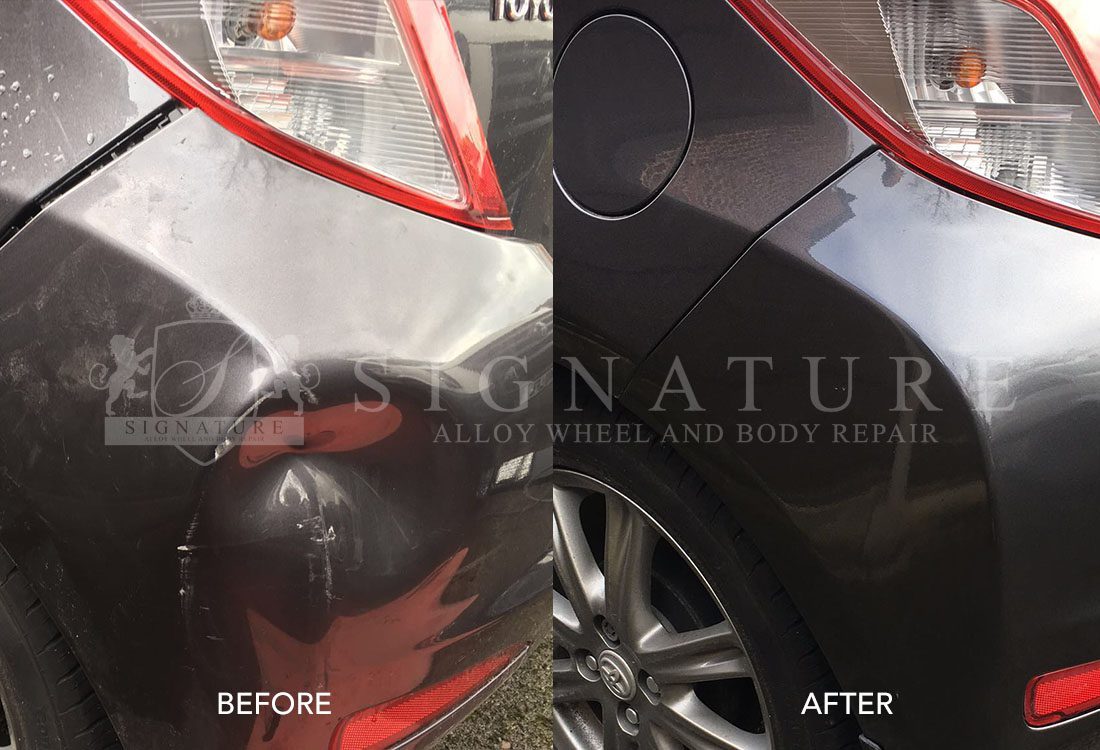
- Evidence of previous work. Before and after photographs of jobs like yours.
- Practicality. If the car is your daily transport, a mobile repair at home or work may save more than it costs.
Mistakes to avoid
- Choosing purely on the lowest quote, without asking what has been left out
- Accepting a verbal estimate with no written breakdown
- Not asking whether the guarantee covers paint defects as well as workmanship
- Assuming the insurer's approved shop is the only option
- Letting a repairer spray a panel without checking they have matched to your paint code and tested it first
How do you look after a car after body repairs?
Fresh paint needs a settling in period, and how you treat it in the first month matters.
- Leave it a fortnight before waxing or sealing, so the lacquer can fully harden and off gas
- Wash by hand with a pH neutral shampoo rather than using an automatic car wash with brushes
- Keep bird droppings, tree sap and fuel spills off the repair and remove them promptly
- Avoid pressure washing directly at the edge of a new repair or at close range
- Park in a garage or under cover where you can, to limit UV exposure and frost
- Inspect the repair in daylight after a few weeks and report anything you are not happy with straight away
For older paint that has gone flat or picked up swirl marks around a repair, machine polishing will usually even out the appearance across the whole panel.
How can you avoid body repairs in the first place?
Most body shop work comes from low speed incidents rather than accidents at speed, so a few habits genuinely reduce the odds.
- Park away from trolley bays, bin stores and tight bays where door strikes happen
- Reverse into spaces so you pull out with clear vision
- Watch kerb height when parking and turning, which is the single biggest cause of alloy wheel damage
- Keep a sensible gap in slow traffic where nose to tail shunts happen
- Treat stone chips early, because bare metal under a chip corrodes and turns a small job into a panel repair
- Wash off winter salt, especially from wheel arches, sills and around the lower doors
Do you have to use your insurer's repairer?
No. Your insurer will offer its approved network, and there are real advantages to using it: the claim is handled between the shop and the insurer, a courtesy car is often included, and the work is usually guaranteed for as long as you own the vehicle. But you can nominate your own repairer.
If you do, expect the insurer to ask for a written estimate and to authorise the work before it starts. Some policies pay only up to the rate they have agreed with their own network, so ask what they will contribute before committing. Whichever route you take, you pay your policy excess, and you should ask how the claim will affect your no claims discount before you proceed.
For damage that falls below the excess, it is usually cheaper to pay directly. A kerbed alloy, a scuffed bumper or a car park dent often costs less to repair privately than the excess itself, with no claim recorded against your policy.
Need this doing properly?
Signature repairs alloy wheels and bodywork across Greater Manchester and the North West, mobile at your home or workplace. Free quotes answered within 24 hours.